top of page

Your Either With God Or Against Him 

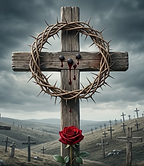
<h5 class="font_5"><u><em><strong>Revelation 20:14: </strong></em></u><em><strong>The lake of fire explicitly designated as "the second death."</strong></em></h5>
<h6 class="font_6"><strong><br>
Read More Modern</strong><u><strong> Pulpit Traditions vs. Biblical Scripture</strong></u><strong><br>
</strong><u><strong>Mainstream pulpits frequently dismiss God's Law as obsolete </strong></u><strong>"legalism,"</strong><u><strong> yet enforce man-made mandates in its place. </strong></u><strong>Below is the direct scriptural contrast across ten foundational doctrines</strong>.</h6>
<h6 class="font_6"><br>
<strong>1. Sunday Worship vs. The Seventh-Day Sabbath<br>
</strong><u><strong>Pulpit Claim: Sunday replaced the seventh day as the "Christian Sabbath."<br>
Scripture: </strong></u><strong>God sanctified the seventh day perpetually (Genesis 2:2–3; Exodus 20:8–11). </strong><u><strong>Yeshua observed it as His custom</strong></u><strong> (Luke 4:16) and </strong><u><strong>declared Himself Lord of the Sabbath </strong></u><strong>(Mark 2:28). Shifting observance to Sunday stems from </strong><u><strong>post-apostolic Roman edicts, not biblical command.</strong></u></h6>
<h6 class="font_6"><u><strong><br>
</strong></u><strong>2. "The Law Was Only for Ancient Israel"</strong><u><strong><br>
Pulpit Claim: </strong></u><strong>The Torah was an exclusive Old Covenant contract</strong><u><strong> irrelevant to &nbsp;&nbsp;&nbsp;</strong></u></h6>
<h6 class="font_6"><u><strong>Gentile believers under grace.<br>
Scripture:</strong></u><strong> Yeshua explicitly stated </strong><u><strong>He did not come to abolish the Law</strong></u><strong> or Prophets and warned against breaking even the least commandment (Matthew 5:17–19). Ingathering </strong><u><strong>Gentiles are grafted into the commonwealth of Israel </strong></u><strong>under the same foundational standard of obedience (Numbers 15:16; Romans 11:17–24; 1 John 5:3).<br>
</strong></h6>
<h6 class="font_6"><strong>3. Dietary Instructions<br>
</strong><u><strong>Pulpit Claim:</strong></u><strong> All biblically </strong><u><strong>unclean foods are sanctified for consumption</strong></u><strong> (citing Acts 10 or Mark 7).<br>
</strong><u><strong>Scripture:</strong></u><strong> Peter stated the explicit meaning of his vision:</strong><u><strong> </strong></u><u><em><strong>"God has shown me that I should not call any man common or unclean"</strong></em></u><u><strong> (</strong></u><strong>Acts 10:28). The distinction between clean food and abominations</strong><u><strong> remains unabolished and extends into end-times judgment</strong></u><strong> (Leviticus 11; Isaiah 66:17).<br>
</strong></h6>
<h6 class="font_6"><strong>4. "Christianizing" Pagan Holidays<br>
</strong><u><strong>Pulpit Claim:</strong></u><strong> Holidays rooted in pagan solar and fertility rites (e.g.,</strong><u><strong> Christmas, Easter) can be redeemed to worship God.<br>
Scripture</strong></u><strong>: </strong><u><strong>God strictly prohibits adopting pagan customs to honor Him: </strong></u><em><strong>"Take heed... do not inquire after their gods, saying, 'How did these nations serve their gods? I also will do likewise.'</strong></em><u><em><strong> You shall not worship the Lord your God in that way"</strong></em></u><u><strong> (</strong></u><strong>Deuteronomy 12:30–31).<br>
</strong></h6>
<h6 class="font_6"><strong>5. God's Appointed Feasts (</strong><em><strong>Moedim</strong></em><strong>)<br>
</strong><u><strong>Pulpit Claim:</strong></u><strong> Biblical feasts (Passover, Unleavened Bread, Shavuot, Yom Teruah, Yom Kippur, Sukkot</strong><u><strong>) are obsolete shadows.<br>
Scripture</strong></u><strong>: Commanded as </strong><em><strong>"statutes forever"</strong></em><strong> throughout all generations (Leviticus 23:14, 21, 31, 41).</strong><u><strong> Observed by Yeshua and the apostles</strong></u><strong> (Acts 20:16; 1 Corinthians 5:7–8), Zechariah 14:16–19 foretells that </strong><u><strong>all nations will celebrate the Feast of Tabernacles (</strong></u><u><em><strong>Sukkot</strong></em></u><u><strong>) in the Millennial Kingdom.<br>
</strong></u></h6>
<h6 class="font_6"><strong>6. Sacred Names and Identity<br>
</strong><u><strong>Pulpit Claim:</strong></u><strong> God's revealed name and the Messiah's Hebrew name are trivial, interchangeable with generic titles or translations.<br>
</strong><u><strong>Scripture</strong></u><strong>: The Divine Name (יהוה /</strong><u><strong> Yehovah) appears nearly 7,000 times </strong></u><strong>in the Tanakh as an eternal memorial (Exodus 3:15). The Son was specifically named </strong><u><strong>Yeshua ("Yehovah is salvation</strong></u><strong>," Matthew 1:21). </strong><u><strong>Scripture consistently ties salvation, reverence, and identity to knowing and proclaiming His actual name</strong></u><strong> (Psalm 91:14; Acts 4:12; John 17:6, 26).<br>
</strong></h6>
<h6 class="font_6"><strong>7. Cash Tithing for Church Budgets<br>
</strong><u><strong>Pulpit Claim:</strong></u><strong> Believers </strong><u><strong>must pay 10% of their gross cash income to the pastoral payroll or stand guilty of "robbing God" (</strong></u><strong>Malachi 3:8–10).<br>
</strong><u><strong>Scripture:</strong></u><strong> Biblical tithing was agricultural—crops and livestock from the land of Israel—to support the Levitical priesthood, widows, and orphans (Leviticus 27:30–32; Deuteronomy 14:22–29). </strong><u><strong>Money was never tithed. New Covenant giving is non-coercive, freewill, and cheerful according to one’s means (</strong></u><strong>2 Corinthians 9:7).<br>
</strong></h6>
<h6 class="font_6"><strong>8. The Clergy-Laity Divide<br>
</strong><u><strong>Pulpit Claim: </strong></u><strong>An ordained </strong><u><strong>clerical caste acts as the professional intermediary over the congregation.<br>
Scripture:</strong></u><strong> Yeshua </strong><u><strong>banned religious hierarchy and flattering titles </strong></u><strong>among His disciples (</strong><em><strong>"you are all brethren,"</strong></em><strong> Matthew 23:8–10). Under the New Covenant, </strong><u><strong>all believers form a royal priesthood with direct access to the Father through one Mediator</strong></u><strong>, Yeshua (1 Timothy 2:5; 1 Peter 2:9). Yeshua explicitly condemned the Nicolaitan doctrine—the subjugation of the laity (Revelation 2:6).<br>
</strong></h6>
<h6 class="font_6"><strong>9. Redefining Sin<br>
</strong><u><strong>Pulpit Claim:</strong></u><strong> Sin is primarily subjective</strong><u><strong> emotional brokenness or feeling disconnected from God.<br>
Scripture: </strong></u><strong>Scripture provides a concrete legal definition:</strong><u><strong> </strong></u><u><em><strong>"Sin is the transgression of the law"</strong></em></u><strong> (1 John 3:4).</strong><u><strong> Removing the Law eliminates the very mirror that exposes sin</strong></u><strong> (Romans 7:7). Yeshua warned that those who </strong><u><strong>prophesy in His name while living in Torahlessness will be cast out:</strong></u><strong> </strong><em><strong>"Depart from Me, you who practice lawlessness [anomia]"</strong></em><strong> (Matthew 7:23).<br>
</strong></h6>
<h6 class="font_6"><strong>10. "Once Saved, Always Saved"<br>
</strong><u><strong>Pulpit Claim: </strong></u><strong>A</strong><u><strong> one-time prayer guarantees unconditional</strong></u><strong> security regardless of ongoing, deliberate apostasy.<br>
Scripture: </strong><u><strong>Salvation requires ongoing endurance:</strong></u><strong> </strong><em><strong>"He who endures to the end shall be saved"</strong></em><strong> (Matthew 24:13).</strong><u><strong> Branches attached to the Vine that fail to bear fruit are severed and burned</strong></u><strong> (John 15:1–6). Believers are warned against developing</strong><u><strong> an unbelieving heart or treating the blood of the covenant as an unholy thing </strong></u><strong>(Hebrews 3:12–14; Hebrews 10:26–29).<br>
</strong></h6>
<h6 class="font_6"><strong>The Verdict<br>
This substitution of divine commands with institutional traditions fulfills </strong><u><strong>Yeshua's rebuke of the religious establishment:<br>
<br>
</strong></u><em><strong>"In vain they worship Me, teaching as doctrines the commandments of men. For laying aside the commandment of God, you hold the tradition of men."<br>
</strong></em><strong>— Mark 7:7–8</strong></h6>

Mainstream pulpits frequently dismiss God's Law as obsolete "legalism,"

"In vain they worship Me, teaching as doctrines the commandments of men. For laying aside the commandment of God, you hold the tradition of men."
— Mark 7:7–8

<h5 class="font_5"><em><strong>That distinction captures the heart of how Scripture portrays our standing before Yehovah—</strong></em><u><em><strong>there is ultimately no middle ground or neutral territory.</strong></em></u></h5>
<h5 class="font_5"><br></h5>
<h6 class="font_6">Throughout the Scriptures, this contrast between the saint and the rebel centers on the posture of the heart, repentance, genuine love, and what our lives produce:</h6>
<p class="font_8"><br></p>
<h6 class="font_6"><strong>Revelation 14:12</strong> – <em>"Here is a call for the endurance of the saints, </em><u><em>those who keep the commandments</em></u><em> of Yehovah and their faith in Yeshua messiah."</em></h6>
<h6 class="font_6"><br></h6>
<h6 class="font_6"><em><strong>The Saint vs. The Rebel: &nbsp;</strong></em></h6>
<h6 class="font_6"><br></h6>
<h6 class="font_6"><u><em><strong>The Saint</strong></em></u><em><strong>—A heart of repentance, characterized by selfless love and a commitment to gather with God's people. </strong></em><u><em><strong>They have faith and works.They also have the Spirit of Yeshovah in them because they obey Yehovah God. &nbsp;&nbsp;</strong></em></u></h6>
<p class="font_8"><br></p>
<ul class="font_6">
  <li><h6 class="font_6"><u><em>The Rebel—</em></u><em>A life of unrepentance, ruled by self-interest and resulting in division and scattering.</em><u><em>They have faith without works.They don't have the Spirit in them because ot their dissobeadiance.</em></u></h6></li>
</ul>
<h6 class="font_6"><br></h6>
<h6 class="font_6">The Saint<u> (Repentant, Loving &amp; Gathering):</u> A saint (one set apart, kadosh) is not someone who refuses to practicing sinning, but someone whose direction has completely shifted through true repentance (teshuvah—turning back to God). Obedience is not a burdensome legal duty; it flows directly from love and gratitude. As Yeshua said in <u>John 14:15,</u></h6>
<h6 class="font_6"><br></h6>
<h6 class="font_6">&nbsp;"If you love me, you will keep my commandments." He also said if you say you love me and don't keep my commandments<u> you are a lier and the truth is not in you.</u></h6>
<p class="font_8"><br></p>
<h5 class="font_5"><u><strong>&nbsp;</strong></u><strong>Because the saint is united with Yeshua, </strong><u><strong>their life actively gathers with Him </strong></u><strong>drawing others toward the truth and building up the kingdom. They have Faith with works.</strong></h5>
<h6 class="font_6"><br></h6>
<h5 class="font_5"><em><strong>Two Ways to Walk:</strong></em></h5>
<ul class="font_6">
  <li><h6 class="font_6"><em>The Way of the Saint: Humble repentance, genuine love, and gathering together.</em></h6></li>
  <li><h6 class="font_6"><em>The Way of the Rebel: Stubborn independence, self-rule,</em><u><em> and driving others apart scatttering.</em></u></h6></li>
</ul>
<h6 class="font_6"><br></h6>
<h6 class="font_6">The Rebel <u>(Unrepentant, Self-Governing &amp; Scattering):</u> Rebellion does not always look like wild, open hostility; often, it takes the form of lip service without a surrendered will. Yeshua echoed the prophet Isaiah when addressing <u>those who "honor me with their lips, but their heart is far from me" (Matthew 15:8).</u> The rebel's heart insists on retaining self-rule, claiming God without truly yielding to Him. In doing so, their life actively scatters—working against His purposes, dividing, and leading astray. They have Faith without works.</h6>
<h6 class="font_6"><br></h6>
<h6 class="font_6"><strong>…Matthew7</strong><em> You hypocrites! Isaiah prophesied correctly about you: </em><em><strong>8</strong></em><a href="https://biblehub.com/greek/3778.htm"><em>‘These</em></a><em> </em><a href="https://biblehub.com/greek/2992.htm"><em>people</em></a><em> </em><a href="https://biblehub.com/greek/5091.htm"><em>honor</em></a><em> </em><a href="https://biblehub.com/greek/1473.htm"><em>Me</em></a><em> </em><a href="https://biblehub.com/greek/3588.htm"><em>with their</em></a><em> </em><a href="https://biblehub.com/greek/5491.htm"><em>lips,</em></a><em> </em><a href="https://biblehub.com/greek/1161.htm"><em>but</em></a><em> </em><a href="https://biblehub.com/greek/846.htm"><em>their</em></a><em> </em><a href="https://biblehub.com/greek/2588.htm"><em>hearts</em></a><em> </em><a href="https://biblehub.com/greek/568.htm"><em>are far</em></a><em> </em><a href="https://biblehub.com/greek/575.htm"><em>from</em></a><em> </em><a href="https://biblehub.com/greek/1473.htm"><em>Me.</em></a><em> </em><em><strong>9</strong></em><em>They worship Me in vain; they teach as doctrine the precepts of men.’ ”…</em></h6>
<h6 class="font_6"><br></h6>
<h6 class="font_6">No Neutral Ground <u>(If We Are Not Gathering, We Are Scattering):</u> Yeshua drew this clear, uncompromising boundary in Matthew 12:30: "Whoever is not with me is against me, and whoever does not gather with me scatters." <u>If we are not actively gathering with Him, we are, by default, scattering. There is no passive standing—our lives are either pulling toward Yeshua or driving things apart.</u></h6>
<h6 class="font_6"><br></h6>
<h6 class="font_6">It strips away outward pretense and brings everything back to whether one has genuinely turned to Yeshua in loving obedience.</h6>
<h6 class="font_6"><br></h6>
<h5 class="font_5"><em><strong>In the spiritual realm, standing idly on the sidelines isn’t harmless neutrality; it is active opposition to what the Father is establishing through Him. It is sinning.<br>
</strong></em></h5>
<h6 class="font_6"><strong>1. The Imagery: Gathering vs. Scattering</strong></h6>
<h6 class="font_6">Yeshua uses familiar agricultural and pastoral imagery deeply rooted in the Tanakh:</h6>
<ul class="font_6">
  <li><h6 class="font_6"><strong>The Harvest:</strong> Gathering sheaves of wheat into the barn<u> versus letting the grain fall, rot, or scatter in the wind.</u><br>
</h6></li>
  <li><h6 class="font_6"><strong>The Shepherd:</strong> A faithful shepherd gathers the scattered flock into safety, whereas wolves, predators, or <u>negligent hirelings cause the sheep to scatter into danger.</u></h6></li>
</ul>
<h6 class="font_6"><u>By refusing to actively gather with Yeshua, </u>one inevitably leaves the harvest to waste and the flock vulnerable to dispersal.</h6>
<h6 class="font_6"><br></h6>
<h6 class="font_6"><strong>2. The Practical Implication</strong></h6>
<h6 class="font_6">Passivity is frequently mistaken for innocence or safe detachment. <u>This teaching dismantles the idea that someone can simply stay out of the fray:</u></h6>
<ul class="font_6">
  <li><h6 class="font_6"><strong>Default trajectory:</strong> <u>Without intentional alignment, obedience, and work alongside Yeshua,</u> one’s priorities, silence, or divided heart naturally work in the opposite direction.<br>
</h6></li>
  <li><h6 class="font_6"><strong>Wholehearted allegiance:</strong> Covenant faithfulness requires active devotion.<u> Half-heartedness or passive observation in the work of the Kingdom ends up aiding the work of scattering and rebellion .<br>
</u></h6></li>
</ul>

Saint or Rebel

That distinction captures the heart of how Scripture portrays our standing before the Father—there is ultimately no middle ground or neutral territory.

<h6 class="font_6"><strong>There are 40 different</strong></h6>
<h6 class="font_6">Definitions with eternal consequences.</h6>
<h6 class="font_6"><br></h6>
<h6 class="font_6"><u><strong>Altar Calls</strong></u></h6>
<h6 class="font_6"><u>Common Tradition:</u> Walking down an aisle to an "altar" to be saved.<br>
<u>Scriptural Reality</u>: 19th-century revivalist innovation (Charles Finney), not an apostolic practice.<br>
Key Verses: Acts 8:35–38<br>
</h6>
<h6 class="font_6">Christmas Origins &amp; Customs</h6>
<h6 class="font_6"><br></h6>
<h6 class="font_6"><u>Common Tradition: </u>Celebrating Christ's birth on Dec 25 with decorated trees inside the home.<br>
<u>Scriptural Reality:</u> Dec 25 originated from pagan winter solstice festivals celebrated centuries before Yeshua’s birth (e.g., Roman Saturnalia established ~5th century BC, over 400–500 years prior, alongside ancient evergreen tree veneration). Scripture explicitly commands not to adopt heathen worship customs—such as cutting a tree, decorating it with silver and gold, and fastening it with hammers so it does not topple.<br>
Key Verses: Deuteronomy 12:30–32, Jeremiah 10:2–5<br>
</h6>
<h6 class="font_6">Church Buildings</h6>
<h6 class="font_6"><br></h6>
<h6 class="font_6"><u>Common Tradition: </u>Treating the physical auditorium as the "House of God."<br>
<u>Scriptural Reality: </u>In the New Covenant, the physical sanctuary is irrelevant; believers are the temple of the Holy Spirit.<br>
Key Verses: Acts 7:48–49, 1 Corinthians 6:19<br>
</h6>
<h6 class="font_6">Crucifixion Timeline</h6>
<h6 class="font_6"><u>Common Tradition:</u> Good Friday death to Easter Sunday sunrise (~36 hours).<br>
<u>Scriptural Reality: </u>Scripture requires 3 full days and 3 full nights; an annual "High Sabbath" occurred before the regular weekly Sabbath.<br>
Key Verses: Matthew 12:40, John 19:31<br>
</h6>
<h6 class="font_6">Death &amp; the Grave</h6>
<h6 class="font_6"><u>Common Tradition:</u> Souls immediately ascend to heaven or burn in hell right at the moment of death.</h6>
<h6 class="font_6"><u>Scriptural Reality:</u> The dead "sleep" in the grave (Sheol / Hades) unconscious, awaiting the bodily resurrection and final judgment at Christ's return; no one has ascended into heaven except the Son of Man.<br>
Key Verses: Ecclesiastes 9:5, John 3:13, John 5:28–29, 1 Thessalonians 4:13–16<br>
</h6>
<h6 class="font_6">Dietary Laws (Leviticus 11)</h6>
<h6 class="font_6"><u>Common Tradition</u>: Believers can eat any animal; unclean meats are now cleansed.</h6>
<h6 class="font_6"><u>Scriptural Reality: </u>Unclean animals remain unbiblical to eat; Leviticus food laws define what God created as food. Peter’s vision was about accepting Gentile people, not eating pork or unclean beasts.<br>
Key Verses: Leviticus 11:1–47, Acts 10:28, Isaiah 66:17<br>
</h6>
<h6 class="font_6"><u>Do Not Add or Diminish</u></h6>
<h6 class="font_6"><u>Common Tradition:</u> The church possesses the authority to alter, amend, or dismiss biblical commands over time.<br>
<u>Scriptural Reality</u>: Yehovah strictly commands never to add to or take away from His Word or His commandments.<br>
Key Verses: Deuteronomy 4:2, Deuteronomy 12:32, Revelation 22:18–19<br>
</h6>
<h6 class="font_6"><u>Easter Origins</u></h6>
<h6 class="font_6"><u>Common Tradition:</u> Celebrating the resurrection with eggs, rabbits, and sunrise services named "Easter."<br>
<u>Scriptural Reality:</u> Named after the pagan fertility goddess (Ishtar / Ēostre); pre-dated the Messiah. Yehovah commanded the observance of Passover (Pesach) and Firstfruits, not pagan fertility customs.<br>
Key Verses: Ezekiel 8:14–16, Leviticus 23:4–11<br>
</h6>
<h6 class="font_6"><u>Faith Defined</u></h6>
<h6 class="font_6"><u>Common Tradition:</u> A mere mental acknowledgment or intellectual belief without action.<br>
<u>Scriptural Reality</u>: Biblical faith (emunah) is active fidelity and obedience; faith without works is dead.<br>
Key Verses: James 2:17–24, Hebrews 11:8<br>
</h6>
<h6 class="font_6"><u>God Gives the Spirit to the Obedient</u></h6>
<h6 class="font_6"><u>Common Tradition:</u> The Holy Spirit is poured out unconditionally, independent of repentance or obedience.<br>
<u>Scriptural Reality: </u>Scripture explicitly declares that God gives the Holy Spirit to those who obey Him.<br>
Key Verses: Acts 5:32, John 14:15–17<br>
</h6>
<h6 class="font_6"><u>God's Name</u></h6>
<h6 class="font_6"><u>Common Tradition:</u> Replaced with the title "The LORD" or translated generically as "God."<br>
<u>Scriptural Reality:</u> His personal covenant name is Yehovah (יהוה), derived from the Hebrew verb "to be" (hayah), signifying "He was, He is, He will be."<br>
Key Verses: Exodus 3:15, Exodus 6:3, Psalm 83:18, Isaiah 42:8<br>
</h6>
<h6 class="font_6"><u>God's Saints Defined</u></h6>
<h6 class="font_6"><u>Common Tradition</u>: Anyone who merely recites a formula or is canonized by a council.<br>
<u>Scriptural Reality: </u>Scripture defines the saints as those who keep the commandments of God and hold the faith of Yeshua.<br>
Key Verses: Revelation 12:17, Revelation 14:12<br>
</h6>
<h6 class="font_6"><u>Grace Defined</u></h6>
<h6 class="font_6"><u>Common Tradition:</u> A license to disregard God's commands without consequence.<br>
<u>Scriptural Reality: </u>Grace is God's unmerited favor and empowerment that trains believers to renounce ungodliness and live obedient, righteous lives.<br>
Key Verses: Titus 2:11–12, Romans 6:1–2, Jude 1:4<br>
</h6>
<h6 class="font_6"><u>Grafted into Israel</u></h6>
<h6 class="font_6"><u>Common Tradition:</u> The Gentile church replaces or exists alongside Israel as a separate entity.<br>
<u>Scriptural Reality:</u> Believing Gentiles are wild olive branches grafted directly into the natural olive tree of Israel, becoming citizens of the commonwealth of Israel.<br>
Key Verses: Romans 11:16–24, Ephesians 2:11–19<br>
</h6>
<h6 class="font_6"><u>Halos</u></h6>
<h6 class="font_6"><u>Common Tradition</u>: Luminous rings hovering over the heads of holy figures.<br>
<u>Scriptural Reality:</u> Classical Greco-Roman artistic iconography adopted during the Byzantine era; absent from Scripture.<br>
Key Verses: Exodus 20:4<br>
</h6>
<h6 class="font_6"><u>Hearing Without Responding</u></h6>
<h6 class="font_6"><u>Common Tradition:</u> Passive listening and intellectual agreement suffice for salvation.<br>
<u>Scriptural Reality: </u>Hearing the word without doing it is self-deception; whoever hears and does not obey builds on sand and faces destruction.<br>
Key Verses: James 1:22–25, Matthew 7:24–27, Ezekiel 33:31–32<br>
</h6>
<h6 class="font_6"><u>Judgement Seat of Christ (Bema)</u></h6>
<h6 class="font_6"><u>Common Tradition:</u> A trivial review where everyone receives a pass regardless of conduct.<br>
<u>Scriptural Reality: </u>All believers must appear before the judgment seat of Messiah to receive what is due for deeds done in the body, whether good or evil.<br>
Key Verses: 2 Corinthians 5:10, Romans 14:10–12<br>
</h6>
<h6 class="font_6"><u>Knowing Good but Doing Evil</u></h6>
<h6 class="font_6"><u>Common Tradition:</u> Sins of omission or willful disregard are treated as minor oversights.<br>
<u>Scriptural Reality</u>: If anyone knows the right thing to do and fails to do it, to him it is deliberate sin.<br>
Key Verses: James 4:17, Luke 12:47–48<br>
</h6>
<h6 class="font_6"><u>Lamb's Book of Life</u></h6>
<h6 class="font_6"><u>Common Tradition:</u> Once a name is written, it can never be erased regardless of willful apostasy.<br>
<u>Scriptural Reality: </u>Only those who overcome in faithful obedience remain written in the Book of Life; Yehovah blots out those who sin willfully and rebel against Him.<br>
Key Verses: Exodus 32:33, Psalm 69:28, Revelation 3:5, Revelation 20:15<br>
</h6>
<h6 class="font_6"><u>Liturgical Calendar</u></h6>
<h6 class="font_6"><u>Common Tradition:</u> Mandated observance of Lent, Advent, and Ash Wednesday.<br>
<u>Scriptural Reality</u>: Later ecclesiastical traditions without apostolic instruction or biblical command.<br>
Key Verses: Galatians 4:9–11, Colossians 2:16<br>
</h6>
<h6 class="font_6"><u>Living as Messiah Walked</u></h6>
<h6 class="font_6"><u>Common Tradition:</u> Merely professing belief in Him without needing to emulate His lifestyle or Torah observance.<br>
<u>Scriptural Reality</u>: Whoever claims to abide in Him must walk in the same manner as He walked (keeping the Father's commandments, observing the Sabbath, and walking in righteousness).<br>
Key Verses: 1 John 2:6, 1 Peter 2:21–22, John 15:10<br>
</h6>
<h6 class="font_6"><u>Many Called, Few Chosen</u></h6>
<h6 class="font_6"><u>Common Tradition</u>: Broad invitation guarantees ultimate entry and universal salvation for the majority.<br>
<u>Scriptural Reality: T</u>he invitation goes out widely, but few walk the narrow path of obedience and are chosen to inherit the kingdom.<br>
Key Verses: Matthew 20:16, Matthew 22:14, Matthew 7:13–14<br>
</h6>
<h6 class="font_6"><u>Mark / Seal of God</u></h6>
<h6 class="font_6"><u>Common Tradition</u>: Abstract, undefined grace with no physical sign or obedience tied to it.<br>
<u>Scriptural Reality</u>: The sign/seal of Yehovah is placed on the forehead and hand—defined in Scripture as keeping His Torah, commandments, and Sabbaths.<br>
Key Verses: Exodus 13:9, Deuteronomy 6:6–8, Ezekiel 20:12, Revelation 7:3<br>
</h6>
<h6 class="font_6"><u>Neutrality vs. Opposition</u></h6>
<h6 class="font_6"><u>Common Tradition: </u>One can remain a neutral spectator or non-committed admirer of Christ.<br>
<u>Scriptural Reality</u>: There is no middle ground: whoever is not with Him is actively against Him, and whoever does not gather with Him scatters.<br>
Key Verses: Matthew 12:30, Luke 11:23<br>
</h6>
<h6 class="font_6"><u>New Covenant Defined</u></h6>
<h6 class="font_6"><u>Common Tradition</u>: Complete abolition of the Law to establish an entirely lawless framework.<br>
<u>Scriptural Reality</u>: The New Covenant is made with the house of Israel and Judah, where Yehovah writes His Torah directly upon the heart and mind.<br>
Key Verses: Jeremiah 31:31–34, Hebrews 8:8–10<br>
</h6>
<h6 class="font_6"><u>Popular Adages</u></h6>
<h6 class="font_6"><u>Common Tradition:</u> "God helps those who help themselves" or "Cleanliness is next to godliness."<br>
<u>Scriptural Reality:</u> Folklore and sermon quotes; Scripture teaches that God helps the helpless.<br>
Key Verses: Proverbs 3:5–6, Romans 5:6<br>
</h6>
<h6 class="font_6"><u>Practicing Sin &amp; the Devil</u></h6>
<h6 class="font_6"><u>Common Tradition</u>: A believer can continually practice deliberate lawlessness without spiritual danger.<br>
<u>Scriptural Reality:</u> Whoever makes a practice of sinning is of the devil; whoever is born of God does not continue in habitual lawlessness.<br>
Key Verses: 1 John 3:7–10, Hebrews 10:26<br>
</h6>
<h6 class="font_6"><u>Prayer Posture</u></h6>
<h6 class="font_6"><u>Common Tradition:</u> Closing eyes and folding hands.<br>
<u>Scriptural Reality:</u> Scriptural prayer postures include standing, kneeling, prostrating face-down, or lifting hands.<br>
Key Verses: 1 Kings 8:22, Luke 18:13, 1 Timothy 2:8<br>
</h6>
<h6 class="font_6"><u>Prayers While Rejecting the Law</u></h6>
<h6 class="font_6"><u>Common Tradition:</u> God accepts all prayers regardless of whether one obeys His commandments.<br>
<u>Scriptural Reality:</u> If one turns away his ear from hearing the Law (Torah), even his prayer is an abomination.<br>
Key Verses: Proverbs 28:9, Psalm 66:18, Zechariah 7:11–13<br>
</h6>
<h6 class="font_6"><u>Purpose of Life</u></h6>
<h6 class="font_6"><u>Common Tradition:</u> Seeking personal happiness, career success, or self-actualization.<br>
<u>Scriptural Reality:</u> The whole conclusion of life for every human being is to fear God and keep His commandments, for this is man's all-inclusive duty.<br>
Key Verses: Ecclesiastes 12:13–14, Micah 6:8<br>
</h6>
<h6 class="font_6"><u>Sabbath Never Changed</u></h6>
<h6 class="font_6"><u>Common Tradition</u>: The seventh-day Sabbath was transferred by God or the apostles to Sunday.<br>
<u>Scriptural Reality</u>: Yehovah never changed His seventh-day Sabbath (a perpetual covenant); the shift to Sunday was an unauthorized change by human and Roman church tradition.<br>
Key Verses: Genesis 2:2–3, Exodus 20:8–11, Exodus 31:16–17, Malachi 3:6<br>
</h6>
<h6 class="font_6"><u>Saint vs. Rebel (No Middle Ground)</u></h6>
<h6 class="font_6"><u>Common Tradition:</u> People can exist in a comfortable gray area of casual, nominal belief.<br>
<u>Scriptural Reality: </u>In Scripture, one is either an obedient servant/saint of the covenant or in rebellion and lawlessness; a tree is known by its fruit.<br>
Key Verses: Deuteronomy 30:15–19, 1 Samuel 15:23, Revelation 3:15–16<br>
</h6>
<h6 class="font_6">Satan’s Appearance</h6>
<h6 class="font_6"><u>Common Tradition:</u> Red creature with horns, a tail, and a pitchfork.<br>
<u>Scriptural Reality:</u> Imagery drawn from medieval mystery plays and Greek god Pan; Scripture notes he disguises as an "angel of light."<br>
Key Verses: 2 Corinthians 11:14<br>
</h6>
<h6 class="font_6"><u>Sin Defined</u></h6>
<h6 class="font_6"><u>Common Tradition</u>: An ambiguous "feeling of missing the mark" or generic moral imperfection.<br>
<u>Scriptural Reality:</u> Scripture provides an explicit definition: sin is the transgression of the Law (Torahlessness / anomia).<br>
Key Verses: 1 John 3:4, Romans 4:15, Romans 7:7<br>
</h6>
<h6 class="font_6"><u>State of the Dead (Angels)</u></h6>
<h6 class="font_6"><u>Common Tradition: </u>Humans turn into winged angels at death.<br>
<u>Scriptural Reality: </u>Angels and humans are entirely separate creations; believers are promised a bodily resurrection.<br>
Key Verses: Hebrews 1:14, 1 Corinthians 15:51–53<br>
</h6>
<h6 class="font_6"><u>Suffering Cliché</u></h6>
<h6 class="font_6"><u>Common Tradition:</u> "God won’t give you more than you can handle."<br>
<u>Scriptural Reality:</u> Misapplication of 1 Cor 10:13 (temptation to sin); believers often face trials beyond human capacity.<br>
Key Verses: 2 Corinthians 1:8–9<br>
</h6>
<h6 class="font_6"><u>Sunday Best</u></h6>
<h6 class="font_6"><u>Common Tradition</u>: Mandatory formal suits/dresses for worship.<br>
<u>Scriptural Reality:</u> 18th–19th century cultural convention; Scripture warns against class-based attire distinctions.<br>
Key Verses: James 2:1–4, 1 Peter 3:3–4<br>
</h6>
<h6 class="font_6"><u>The Great Commission</u></h6>
<h6 class="font_6"><u>Common Tradition: </u>Getting people to recite a prayer without requiring subsequent discipleship in God's commands.<br>
<u>Scriptural Reality:</u> The commission requires making disciples of all nations, baptizing them, and teaching them to observe all things that Yeshua commanded.<br>
Key Verses: Matthew 28:18–20<br>
</h6>
<h6 class="font_6"><u>The Law</u></h6>
<h6 class="font_6"><u>Common Tradition</u>: Abolished and replaced by grace; Old Testament commands no longer apply.<br>
<u>Scriptural Reality:</u> Upheld and confirmed; only the penalty of death was removed, not the commandments.<br>
Key Verses: Matthew 5:17–19, Romans 3:31, Romans 7:12<br>
</h6>
<h6 class="font_6"><u>The Messiah's Name</u></h6>
<h6 class="font_6"><u>Common Tradition</u>: Anglicized as "Jesus Christ."<br>
<u>Scriptural Reality</u>: Given Hebrew name is Yeshua (ישוע, short for Yehoshua), meaning "Yehovah is salvation." "Christ" is the title Mashiach ("Anointed One").<br>
Key Verses: Matthew 1:21, Luke 1:31<br>
</h6>
<h6 class="font_6"><u>The Narrow Gate</u></h6>
<h6 class="font_6"><u>Common Tradition</u>: Most people will be saved because God's broad love tolerates any lifestyle.<br>
<u>Scriptural Reality:</u> The gate is narrow and the way is hard that leads to life, and few find it; the wide road of compromise leads to destruction.<br>
Key Verses: Matthew 7:13–14, Luke 13:23–24<br>
</h6>
<h6 class="font_6"><u>The Rapture vs. The Second Exodus</u></h6>
<h6 class="font_6"><u>Common Traditio</u>n: Believers vanish to heaven; future prophecies bypass the gathering of the remnant on earth.<br>
<u>Scriptural Reality: </u>Scripture promises a literal, greater Second Exodus, where Yehovah gathers the remnant of His people from all nations back to the Promised Land.<br>
Key Verses: Jeremiah 16:14–15, Jeremiah 23:7–8, Isaiah 11:11–16, Ezekiel 20:33–38<br>
</h6>
<h6 class="font_6"><u>The Sinner’s Prayer</u></h6>
<h6 class="font_6"><u>Common Tradition</u>: A formulaic recitation required at the end of a sermon for conversion.<br>
<u>Scriptural Reality: </u>Repentance and faith are commanded, but the standardized formula is absent from the New Testament.<br>
Key Verses: Acts 2:38, Romans 10:9–10<br>
</h6>
<h6 class="font_6"><u>The Watchman's Diagnosis / Duty</u></h6>
<h6 class="font_6"><u>Common Tradition:</u> Comforting people in compromise so as not to offend or cause division.<br>
<u>Scriptural Reality: </u>The watchman is commanded to sound the trumpet and warn the wicked of their sin; if he fails to warn them, their blood is required at his hand.<br>
Key Verses: Ezekiel 3:17–21, Ezekiel 33:1–9, Isaiah 58:1<br>
</h6>
<h6 class="font_6"><u>The White Throne Judgment</u></h6>
<h6 class="font_6"><u>Common Tradition: </u>A symbolic myth or bypassed by anyone claiming generic church affiliation.<br>
<u>Scriptural Reality: </u>The ultimate final judgment where the dead, small and great, stand before God to be judged by what was written in the books according to their deeds.<br>
Key Verses: Revelation 20:11–15<br>
</h6>
<h6 class="font_6"><u>Tithing Mandate</u></h6>
<h6 class="font_6"><u>Common Tradition:</u> Strict 10% cash tax on gross income to a church budget.<br>
<u>Scriptural Reality</u>: Biblical tithes were an agricultural system for the Levitical priesthood; New Testament giving is voluntary and cheerful.<br>
Key Verses: Leviticus 27:30–32, 2 Corinthians 9:7<br>
</h6>
<h6 class="font_6"><u>Trusting in Church Leadership / Pastors</u></h6>
<h6 class="font_6"><u>Common Tradition</u>: Placing blind trust and unquestioned authority in a pastor, priest, or church board.<br>
<u>Scriptural Reality:</u> Scripture warns never to put trust in man or princes; believers are commanded to test everything against Scripture like the Bereans, with Messiah as the sole head of the body.<br>
Key Verses: Psalm 118:8–9, Jeremiah 17:5, Acts 17:11, Matthew 23:8–10<br>
</h6>
<h6 class="font_6"><u>"Works of the Law" Defined</u></h6>
<h6 class="font_6"><u>Common Tradition:</u> Paul rebuking the keeping of Yehovah’s moral and covenant commandments.<br>
<u>Scriptural Reality</u>: Refers to man-made legalistic rulings, oral traditions, and sectarian decrees for justification (Hebrew Ma'aseh HaTorah found in the Dead Sea Scrolls), which Yeshua condemned as traditions of men that nullify God's commands.<br>
Key Verses: Galatians 2:16, Mark 7:6–9, Colossians 2:20–22, Matthew 15:3<br>
</h6>
<h6 class="font_6"><u>Worship in Spirit and Truth</u></h6>
<h6 class="font_6"><u>Common Tradition:</u> Worship defined by emotional music, specific buildings, or external rituals.<br>
<u>Scriptural Reality:</u> True worship must be aligned with the Spirit and God's Word (Truth/Torah); sincerity without scriptural truth is vain worship.<br>
Key Verses: John 4:23–24, Psalm 119:142, Matthew<br>
</h6>


Definitions with eternal consequences.

Scriptural Reality

<h6 class="font_6"><br></h6>
<h4 class="font_4"><strong>Ten Biblical Signs of False Faith: What Scripture Warns Against &nbsp;</strong></h4>
<p class="font_8"><br></p>
<h5 class="font_5"><strong>&nbsp;You shall have no other gods before me&nbsp;</strong></h5>
<h6 class="font_6"><strong>&nbsp;&nbsp;&nbsp;&nbsp;&nbsp;</strong>&nbsp;<strong>(Exodus 20:3) </strong>–<em><strong>Commandment number one</strong></em></h6>
<ol class="font_5">
  <li><h5 class="font_5"><u><strong>Worship only the true God and do not put anything above Him.</strong></u></h5></li>
  <li><h6 class="font_6"><u><strong>Divided Affections (Lacking Wholehearted Love)</strong></u><strong><br>
</strong>God commands us to love Him with all our heart, soul, mind, and strength. A life divided between worldly desires and God fails to meet the greatest commandment.<br>
(Matthew 22:37; Deuteronomy 6:5) &nbsp;&nbsp;</h6></li>
  <li><h6 class="font_6"><u><strong>Claiming to Know God While Living in </strong></u><strong>disprofessing</strong><u><strong> Love Without Obedience</strong></u><strong><br>
Yeshua stated plainly: "If you love Me, keep My commandments." True love for Yeshua is demonstrated by action and submission, not mere emotion or verbal claims.<br>
(John 14:15; 1 John 5:3)<br>
Scripture warns: "He who says, 'I know Him,' and does not keep His commandments, is a liar, and the truth is not in him." Claiming salvation while refusing to live by His word exposes a counterfeit faith.<br>
(1 John 2:4)</strong></h6></li>
  <li><h6 class="font_6"><u><strong>Praying While Willfully Ignoring God’s Law</strong></u><strong><br>
"One who turns away his ear from hearing the law, even his prayer is an abomination." God rejects religious rituals and prayers from those who actively disregard His moral truth.<br>
(Proverbs 28:9)</strong></h6></li>
  <li><h6 class="font_6"><u><strong>Practicing Lawlessness Despite Outward Good Works</strong></u><strong><br>
Many will point to prophecies, miracles, or deeds, but Yeshua will tell them: "Depart from Me, you who practice lawlessness; I never knew you." Miraculous activity is no substitute for authentic obedience.<br>
(Matthew 7:21–23)</strong></h6></li>
  <li><h6 class="font_6"><u><strong>Lip Service Without True Heart Devotion</strong></u><strong><br>
God rebukes superficial religion: "These people draw near with their mouth and honor Me with their lips, but have removed their hearts far from Me."<br>
(Isaiah 29:13; Matthew 15:8–9)<br>
</strong></h6></li>
  <li><h6 class="font_6"><u><strong>Lifestyle of Habitual, Unrepentant Sin</strong></u><strong><br>
</strong><em><strong>"Whoever has been born of God does not make a practice of sinning."</strong></em><strong> A genuine believer may stumble, but anyone who persists in deliberate, unrepentant rebellion does not truly belong to God.<br>
</strong><em><strong>(1 John 3:6–9)</strong></em></h6></li>
  <li><h6 class="font_6"><u><strong>Loving the World and Its Values</strong></u><strong><br>
"Do not love the world or the things in the world. If anyone loves the world, the love of the Father is not in him." Aligning your core loyalties with secular culture opposes friendship with God.<br>
(1 John 2:15; James 4:4)</strong></h6></li>
  <li><h6 class="font_6"><u><strong>Dead Faith Without Corresponding Works</strong></u><strong><br>
"Faith without works is dead." True salvation is by grace through faith, but saving faith always reveals itself through the fruit of a transformed life.<br>
(James 2:17, 26; Matthew 7:16–20)</strong></h6></li>
  <li><h6 class="font_6"><u><strong>Loving the World and Its Values</strong></u><strong><br>
</strong><em><strong>"Do not love the world or the things in the world. If anyone loves the world, the love of the Father is not in him."</strong></em><strong> Aligning your core loyalties with secular culture opposes friendship with God.<br>
</strong><em><strong>(1 John 2:15; James 4:4)</strong></em></h6></li>
</ol>
<h6 class="font_6"><br></h6>
<h4 class="font_4"><strong>When idolatry moves from ancient physical hilltops into the hidden chambers of the heart&nbsp; &nbsp;</strong></h4>
<h5 class="font_5"><em><strong>Commandment number two</strong></em></h5>
<p class="font_8"><br></p>
<h6 class="font_6">In biblical and philosophical terms, an idol is anything—good or bad—elevated to a place of supreme devotion, identity, or trust that only God or core virtue is meant to hold.</h6>
<h6 class="font_6"><u>1. Wealth, Net Worth, and Financial Security</u></h6>
<ul class="font_6">
  <li><h6 class="font_6"><u><strong>The Trap:</strong></u><u> </u>Shifting trust from God as provider to an investment balance, retirement cushion, or real estate portfolio.</h6></li>
  <li><h6 class="font_6"><u><strong>The Symptom:</strong></u> Chronic anxiety over financial volatility, hoarding resources, or equating human worth with material accumulation.</h6></li>
</ul>
<h6 class="font_6"><u>2. Career, Status, and Achievement</u></h6>
<ul class="font_6">
  <li><h6 class="font_6"><u><strong>The Trap:</strong></u> Finding primary identity, dignity, and purpose exclusively in job titles, business success, or professional credentials.</h6></li>
  <li><h6 class="font_6"><u><strong>The Symptom:</strong></u> Workaholism, measuring personal value solely by productivity, and experiencing devastation when status or employment changes.</h6></li>
</ul>
<h6 class="font_6"><u>3. Approval, Image, and Social Validation</u></h6>
<ul class="font_6">
  <li><h6 class="font_6"><u><strong>The Trap:</strong></u> Curating an idealized perception of life, morality, or success for public applause—amplified heavily by digital metrics (likes, shares, views, followers).</h6></li>
  <li><h6 class="font_6"><u><strong>The Symptom:</strong></u><u> </u>Compulsive self-promotion, moral compromise to avoid criticism, and fear of human disapproval overshadowing convictions.</h6></li>
</ul>
<h6 class="font_6"><u>4. Autonomy, Self-Determination, and Individualism</u></h6>
<ul class="font_6">
  <li><h6 class="font_6"><u><strong>The Trap:</strong></u> The belief that personal desire and self-rule reign supreme over divine law, family obligations, or community duty ("living my truth").</h6></li>
  <li><h6 class="font_6"><u><strong>The Symptom:</strong></u> Inability to submit to moral authority, discarding commitments when inconvenient, and viewing accountability as oppression.</h6></li>
</ul>
<h6 class="font_6"><u>5. Comfort, Convenience, and Entertainment</u></h6>
<ul class="font_6">
  <li><h6 class="font_6"><u><strong>The Trap:</strong></u> Prioritizing effortless leisure, distraction, and personal ease above sacrifice, service, or discipline.</h6></li>
  <li><h6 class="font_6"><u><strong>The Symptom</strong></u><strong>:</strong> Avoidance of hard truths, addiction to screens and digital escapism, and consumer-driven apathy toward neighborly need.</h6></li>
</ul>
<h6 class="font_6"><u>6. Political Affiliation and Ideology</u></h6>
<ul class="font_6">
  <li><h6 class="font_6"><u><strong>The Trap:</strong></u> Placing ultimate hope in political parties, partisan figures, or legislative power to "save" society or bring righteousness.</h6></li>
  <li><h6 class="font_6"><u><strong>The Symptom</strong></u><strong>:</strong> Dehumanizing ideological opponents, excusing dishonesty or wrongdoing when committed by one's preferred faction, and trading spiritual loyalty for political victory.</h6></li>
</ul>
<h6 class="font_6"><u>7. Family and Children</u></h6>
<ul class="font_6">
  <li><h6 class="font_6"><u><strong>The Trap:</strong></u> Turning good gifts—marriage, children, and heritage—into the ultimate center of existence, living vicariously through them.</h6></li>
  <li><h6 class="font_6"><strong>T</strong><u><strong>he Symptom:</strong></u> Placing impossible pressure on children to validate their parents, or sacrificing moral integrity to protect family reputation at all costs.</h6></li>
</ul>
<h6 class="font_6"><u>8. Physical Health, Appearance, and Longevity</u></h6>
<ul class="font_6">
  <li><h6 class="font_6"><u><strong>The Trap:</strong></u> Treating the body not as a steward of life, but as an object of worship through obsessive anti-aging regimens, extreme fitness culture, or aesthetic alteration.</h6></li>
  <li><h6 class="font_6"><u><strong>The Symptom:</strong></u> Existential dread of natural aging, vanity, and valuing people according to youth or physical form.</h6></li>
</ul>
<h6 class="font_6">9. Cultural Calendars, Celestial Cycles, and Syncretic Devotion Christmas and Easter</h6>
<ul class="font_6">
  <li><h6 class="font_6"><u><strong>The Trap:</strong></u><u> </u>Elevating astronomical cycles, seasonal festivities like Christmas and Easter.</h6></li>
  <li><h6 class="font_6">, or cultural celebrations to ultimate spiritual significance—<u>worshiping the creation, celestial bodies, or the celebration itself rather than the Creator.</u> In the ancient Roman world, this took the form of devotion to astronomical renewal during Saturnalia and the feast of <em>Sol Invictus</em> (the Unconquered Sun) <u>on December 25th.</u> While the 4th-century Western Church adapted the winter solstice date to celebrate the Nativity of Christ—reframing Yeshua as the true "Sun of Righteousness" (Malachi 4:2) and the "Light of the World"—the perennial risk remains confusing the seasonal medium with the divine object of worship.</h6></li>
  <li><h6 class="font_6"><u><strong>The Symptom</strong></u><strong>:</strong> Prioritizing holiday traditions, aesthetic sentimentality, or celestial and seasonal reverence over genuine spiritual and moral allegiance; allowing cultural rituals or consumerist revelry to displace the transcendent source they were adapted to point toward.</h6></li>
</ul>
<p class="font_8"><br></p>
<h5 class="font_5">I<strong>dentifying an idol rarely involves external bowing; it is detected by examining what consumes your quietest thoughts, where your money flows most effortlessly, and where you turn first for safety when crisis strikes.&nbsp;</strong></h5>
<h5 class="font_5"><br></h5>
<h5 class="font_5"><u><strong>1. Invite Divine Illumination </strong></u><strong>(Ezekiel 14:3), tearing down those altars requires deliberate, uncompromising action.</strong></h5>
<h6 class="font_6"><u><strong>You cannot demolish an altar you refuse to see or acknowledge. </strong></u><strong>Because the human heart is naturally prone to self-deception, personal inventory must begin under God’s searchlight.</strong></h6>
<h5 class="font_5"><u><strong>2. Trace Emotional "Smoke" to the Hidden Fire</strong></u></h5>
<h6 class="font_6"><strong>Idols of the heart rarely announce themselves openly; they surface through raw, disproportionate emotional reactions.</strong></h6>
<h5 class="font_5"><u><strong>3. Name the Underlying Counterfeit</strong></u></h5>
<h6 class="font_6"><strong>Vague confessions produce weak repentance.</strong><u><em><strong> Scripture demands calling things by their true names.</strong></em></u></h6>
<h5 class="font_5"><u><strong>4. Practice Radical Severance (Cut the Supply Lines)</strong></u></h5>
<h6 class="font_6"><strong>Idols only retain power when they are consistently fed attention, time, compromise, and energy. </strong><u><strong>Negotiating with a spiritual trap always fails.</strong></u></h6>
<h5 class="font_5"><u><strong>5. Destroy the Remnants (No Souvenirs)</strong></u></h5>
<h6 class="font_6"><strong>Biblical reformation leaves no relics behind that could reignite compromised worship later.</strong></h6>
<h5 class="font_5"><u><strong>6. Make Open, Unmasked Confession</strong></u></h5>
<h6 class="font_6"><strong>Idols thrive in isolation and darkness. Bringing the struggle into the open breaks the shame and private power of the stronghold.</strong></h6>
<h6 class="font_6"><u><strong>7. Re-Enthrone the Father Through Wholehearted Allegiance</strong></u></h6>
<h6 class="font_6"><strong>Demolishing an idol leaves a vacuum. If the heart is merely swept clean and left vacant, worse counterfeits move in (Matthew 12:43–45).</strong></h6>
<h5 class="font_5"><u><strong>8. Practice the "Expulsive Power" of Active Replacement</strong></u></h5>
<h6 class="font_6"><strong>Break the specific root of an idol by intentionally practicing its polar opposite biblical command.</strong></h6>
<h5 class="font_5"><strong>9. Fasten the Belt of Truth (Fill the Mind with the Word)</strong></h5>
<h6 class="font_6"><strong>A mind fed primarily on culture and opinion cannot resist cultural idols. Truth must become the operational grid for every daily thought.</strong></h6>
<h5 class="font_5"><u><strong>10. Establish Continual Vigilance</strong></u></h5>
<h6 class="font_6"><strong>Guarding the heart is not a one-time event; it is a lifelong posture of spiritual alertness.</strong></h6>
<h5 class="font_5"><strong>Because an idol of the heart operates beneath the surface, it rarely announces itself as a rebellion against God. Instead, it masquerades as a reasonable desire, a practical responsibility, or a harmless pastime. &nbsp;</strong></h5>
<p class="font_8"><br></p>
<h6 class="font_6"><strong>Scripture points out that </strong><em><strong>"out of the abundance of the heart the mouth speaks"</strong></em><strong> (Matthew 12:34) and that our thought life reveals who or what we truly trust. </strong><u><strong>When a good thing becomes an ultimate thing, distinct mental loops and thought habits begin to dominate.</strong></u></h6>
<h6 class="font_6"><strong>Here are the specific thought patterns that signal an idol has established itself in the mind:</strong></h6>
<p class="font_8"><br></p>
<h6 class="font_6"><u><strong>1. The "Default Drift" (Unconscious Preoccupation)</strong></u></h6>
<ul class="font_6">
  <li><h6 class="font_6"><u><strong>The Mental Habit:</strong></u><strong> What does your mind automatically gravitate toward the moment external demands pause? When driving, showering, lying awake, or waiting in line, where does the stream of consciousness immediately flow?</strong></h6></li>
  <li><h6 class="font_6"><u><strong>The Idol at Work:</strong></u><strong> If your thoughts instantly revert to financial balances, tracking social metrics, rehearsing career strategies, planning a hobby, or obsessing over political news, that topic has become your functional center of gravity.</strong></h6></li>
</ul>
<h6 class="font_6"><strong>2.</strong><u><strong> The "If Only" Fallacy (Conditioned Joy)</strong></u></h6>
<ul class="font_6">
  <li><h6 class="font_6"><u><strong>The Scriptural Contrast:</strong></u><strong> Habakkuk declared that even if the fig tree does not blossom, the vines yield no fruit, and the fields produce no food, </strong><em><strong>"yet I will rejoice in the LORD"</strong></em><strong> (Habakkuk 3:17–18).</strong></h6></li>
  <li><h6 class="font_6"><u><strong>The Idolatrous Pattern:</strong></u><strong> The mind creates an internal dependency:<br>
</strong><em><strong>"If only I had this amount in savings, then I could finally rest."<br>
"If only my spouse, children, or peers respected me more, then I would be whole."<br>
"If only my political candidate won, then the future would be secure."</strong></em></h6></li>
  <li><h6 class="font_6"><u><strong>The Diagnosis:</strong></u><strong> Whenever personal peace, contentment, or emotional survival is conditioned on a circumstance rather than the Father’s character, that circumstance has taken the place of God.</strong></h6></li>
</ul>
<h6 class="font_6"><u><strong>3. Hyper-Controlling Catastrophizing (Anxiety as Ownership)</strong></u></h6>
<ul class="font_6">
  <li><h6 class="font_6"><u><strong>The Mental Habit:</strong></u><strong> Mentally mapping out worst-case scenarios and endlessly calculating contingencies to prevent them.</strong></h6></li>
  <li><h6 class="font_6"><u><strong>The Idol at Work:</strong></u><strong> Legitimate stewardship plans responsibly, but idolatry panics because it believes </strong><em><strong>everything depends on self-effort</strong></em><strong>. Chronic anxiety is often the smoke rising from the fear of losing an idol—whether that idol is financial insulation, physical health, personal reputation, or relational control.</strong></h6></li>
</ul>
<h6 class="font_6"><u><strong>4. Justifying the "Small" Compromise (Situational Ethics)</strong></u></h6>
<ul class="font_6">
  <li><h6 class="font_6"><u><strong>The Mental Habit:</strong></u><strong> Negotiating away clear biblical commands under the excuse of necessity.</strong></h6></li>
  <li><h6 class="font_6"><u><strong>The Rationalization:</strong></u><strong><br>
</strong><em><strong>"I have to work seven days a week right now; the market is too competitive."<br>
"A little dishonesty or corner-cutting is required to protect my livelihood."<br>
"Harsh speech is justified because the political enemy is so dangerous."</strong></em></h6></li>
  <li><h6 class="font_6"><u><strong>The Diagnosis:</strong></u><strong> When you believe that obeying Scripture is too risky or that God’s standard cannot afford to be kept in your situation, whatever you are protecting has become your real authority.</strong></h6></li>
</ul>
<h5 class="font_5"><u><strong>5. Imagined Vindication and Scorekeeping (Vengeful Rehearsals)</strong></u></h5>
<ul class="font_6">
  <li><h6 class="font_6"><u><strong>The Mental Habit:</strong></u><strong> Mentally replaying past conversations, constructing biting arguments, or daydreaming about the day critics, adversaries, or former associates are proven wrong.</strong></h6></li>
  <li><h6 class="font_6"><u><strong>The Idol at Work: </strong></u><strong>This pattern signals an altar built to personal vindication, self-righteousness, or pride. Trusting God means trusting Him as the righteous Judge (</strong><em><strong>"Vengeance is Mine, I will repay"</strong></em><strong> — Romans 12:19). When the mind constantly runs courtroom simulations where you stand victorious over your detractors, human approval and ego have usurped the throne.</strong></h6></li>
</ul>
<h5 class="font_5"><strong>6</strong><u><strong>. The Escape Reflex (Mental Numbing)</strong></u></h5>
<ul class="font_5">
  <li><h5 class="font_5"><u><strong>The Mental Habit:</strong></u><strong> Experiencing friction, disappointment, or stress and instantly feeling a magnetic pull toward a digital screen, entertainment, consumption, or fantasy.</strong></h5></li>
  <li><h6 class="font_6"><u><strong>The Idol at Work:</strong></u><strong> The mind seeks an immediate substitute savior. Instead of running into the name of the Father as a strong tower (Proverbs 18:10) or finding rest in prayer, the reflex is to mentally check out, self-medicate, or immerse in distraction.</strong></h6></li>
</ul>
<h6 class="font_6"><u><strong>7. Comparison and Resentful Envy</strong></u></h6>
<ul class="font_6">
  <li><h6 class="font_6"><u><strong>The Scriptural Root</strong></u><strong>: James 3:16 notes that </strong><em><strong>"where jealousy and selfish ambition exist, there will be disorder and every vile practice."</strong></em></h6></li>
  <li><h6 class="font_6"><u><strong>The Idolatrous Pattern:</strong></u><strong> Mentally auditing what others possess—their leisure, financial security, family dynamics, or platform—followed by a lingering sense of resentment or bitter entitlement: </strong><em><strong>"Why them and not me? I’ve worked harder and lived more faithfully."</strong></em></h6></li>
  <li><h6 class="font_6"><u><strong>The Diagnosis: </strong></u><strong>When another person's blessing provokes bitterness in your thoughts, you are worshiping an outcome rather than submitting to the sovereign distribution of the Creator.</strong></h6></li>
</ul>
<h6 class="font_6"><u><strong>The Self-Diagnostic Test</strong></u></h6>
<h6 class="font_6"><strong>To catch these habits in real time, apply Paul’s instruction in 2 Corinthians 10:5: take every thought captive to the obedience of the Messiah. When an obsessive or agitated thought loop surfaces, stop and ask:</strong></h6>
<ol class="font_6">
  <li><h6 class="font_6"><em><strong>"Am I treating this thought as an absolute necessity for my peace?"</strong></em></h6></li>
  <li><h6 class="font_6"><em><strong>"Does this thought reflect trust in the Father's sovereignty, or fear that my own control is slipping?"</strong></em></h6></li>
  <li><h6 class="font_6"><em><strong>"If this exact thing were stripped away tomorrow, would my faith in the goodness of God remain intact?"</strong></em></h6></li>
</ol>
<p class="font_8"><br></p>
<h4 class="font_4"><strong>The historical and manuscript record, along with scriptural warnings, details several critical points regarding the alteration and replacement of God’s personal name: &nbsp;</strong></h4>
<h5 class="font_5"><br></h5>
<h5 class="font_5"><em><strong>Commandment number three &nbsp;</strong></em></h5>
<h5 class="font_5"><u><strong>1. Scriptural Warnings Against Altering Divine Words and sacret Names</strong></u></h5>
<h6 class="font_6"><strong>Scripture explicitly forbids human tradition from modifying, adding to, or subtracting from the divine pattern:</strong></h6>
<ul class="font_6">
  <li><h6 class="font_6"><u><strong>Deuteronomy 4:2 &amp; 12:32:</strong></u><strong> </strong><em><strong>"You shall not add to the word which I command you, neither shall you diminish ought from it, that you may keep the commandments of the Lord your God which I command you."</strong></em></h6></li>
  <li><h6 class="font_6"><u><strong>Proverbs 30:4–6: </strong></u><em><strong>"What is His name, and what is His Son’s name, if thou canst tell? Add thou not unto His words, lest He reprove thee, and thou be found a liar."</strong></em></h6></li>
  <li><h6 class="font_6"><u><strong>Exodus 3:15: </strong></u><strong>When revealing His memorial name יהוה (YHWH), God commanded: </strong><em><strong>"</strong></em><u><em><strong>This is My name forever, and this is My memorial unto all generations."</strong></em></u></h6></li>
  <li><h6 class="font_6"><u><strong>Jeremiah 23:26–27</strong></u><strong>: The Father directly confronts spiritual leaders who cause His people to lose His name through human practices: </strong><em><strong>"</strong></em><u><em><strong>Which think to cause My people to forget My name by their dreams... as their fathers have forgotten My name for Baal [literally, 'The Lord']."</strong></em></u><u><strong>\</strong></u></h6></li>
  <li><h6 class="font_6"><u><strong>Revelation 22:18–19:</strong></u><strong> Warns of severe divine judgment on anyone who adds to or removes words from the biblical text.</strong></h6></li>
</ul>
<h6 class="font_6"><strong>2. The Systematic Replacement: The "6,800+ Times"</strong></h6>
<h6 class="font_6"><strong>In the Hebrew Tanakh (Old Testament),</strong><u><strong> the personal name of the Father—the Tetragrammaton (יהוה / YHWH) appears 6,828 times.</strong></u></h6>
<ul class="font_6">
  <li><h6 class="font_6"><u><strong>The Scribes' Oral Prohibition: </strong></u><strong>Starting in the Second Temple era, an excessive fence was built around the Third Commandment (</strong><em><strong>"</strong></em><u><em><strong>Thou shalt not take the name of the Lord thy God in vain"</strong></em></u><strong>). Scribes and rabbis declared it unlawful or sacrilegious to speak the four-letter name aloud, replacing it orally with Adonai ("Lord") or Elohim ("God").</strong></h6></li>
  <li><h6 class="font_6"><u><strong>Masoretic Vowel Pointing</strong></u><strong>: In medieval copies of the Hebrew text, Jewish Masoretes inserted the vowel points of </strong><em><strong>Adonai</strong></em><strong> onto the consonants of </strong><em><strong>YHWH</strong></em><strong> as an explicit reminder to the reader to vocalize "Adonai" rather than pronounce the sacred name.</strong></h6></li>
  <li><h6 class="font_6"><u><strong>The "LORD" Substitution in English Bibles: </strong></u><strong>Christian Bible translations (from William Tyndale and the Geneva Bible to the 1611 King James Version and modern translations) adopted this tradition. Instead of transliterating the </strong><u><strong>Creator's personal name, they systematically substituted the uppercase title "the LORD" nearly 7,000 times.</strong></u></h6></li>
</ul>
<h5 class="font_5"><strong>3. The 134 Sopheric Alterations (</strong><em><strong>Tiqqune Sopherim</strong></em><strong>)</strong></h5>
<h6 class="font_6"><strong>Ancient Jewish records document that the Sopherim (early scribes) deliberately altered the written consonantal text in specific passages:</strong></h6>
<ul class="font_6">
  <li><h6 class="font_6"><u><strong>Massorah Antiqua Records: </strong></u><strong>In 134 separate Old Testament passages, scribes intentionally changed the written name יהוה (YHWH) to the title Adonai in the manuscript text itself.</strong></h6></li>
  <li><h6 class="font_6"><u><strong>The Rationale:</strong></u><strong> The scribes believed the anthropomorphic language or direct statements about YHWH in those specific passages were too familiar or showed lack of reverence, so they altered the inspired consonants in the scrolls. (Documented in standard Hebrew scholarly references, including Ginsburg's </strong><em><strong>The Massorah</strong></em><strong> and the Bullinger </strong><em><strong>Companion Bible</strong></em><strong> Appendix 32).</strong></h6></li>
</ul>
<h5 class="font_5"><strong>4. The Vatican Injunction Against Pronouncing the Divine Name</strong></h5>
<h6 class="font_6"><strong>The institutional suppression of God's personal name is not merely ancient history; it has been enforced in modern church governance:</strong></h6>
<ul class="font_6">
  <li><h6 class="font_6"><u><strong>The 2008 Vatican Directive on the Name of God:</strong></u><strong> On June 29, 2008, Cardinal Francis Arinze of the Congregation for Divine Worship and the Discipline of the Sacraments issued a formal letter to Catholic Bishops’ Conferences worldwide.</strong></h6></li>
  <li><h6 class="font_6"><u><strong>The Mandate: </strong></u><strong>The Vatican decreed that in liturgical celebrations, hymns, and prayers, </strong><u><strong>the proper name of God—specifically "Yahweh" or the Tetragrammaton YHWH—is never to be used or pronounced.</strong></u><strong> Instead, it must always be replaced by translations equivalent to "the Lord" (such as </strong><em><strong>Dominus</strong></em><strong>, </strong><em><strong>Signore</strong></em><strong>, </strong><em><strong>Señor</strong></em><strong>, </strong><em><strong>Herr</strong></em><strong>).</strong></h6></li>
  <li><h6 class="font_6"><u><strong>The Justification</strong></u><strong>: The directive cited ancient tradition and liturgical continuity as superior to vocalizing the Hebrew covenant name.</strong></h6></li>
</ul>
<h5 class="font_5"><strong>5. The Greek and Latin Shift to "Jesus"</strong></h5>
<h6 class="font_6"><strong>The Messiah’s Hebrew name was Yeshua (יֵשׁוּעַ), meaning "YHWH is salvation" (Matthew 1:21):</strong></h6>
<ul class="font_6">
  <li><h6 class="font_6"><u><strong>Absence of the "J":</strong></u><strong> Ancient Hebrew, Aramaic, Greek, and Latin contained neither the letter "J" nor its hard sound.</strong></h6></li>
  <li><h6 class="font_6"><u><strong>The Path to Translation:</strong></u><strong><br>
In the Greek New Testament, </strong><em><strong>Yeshua</strong></em><strong> was transliterated into Iēsous (Ἰησοῦς) because Greek lacks the "sh" sound and requires masculine nouns to end in "s".<br>
In Latin, this became Iesus.<br>
Only after the 16th–17th centuries, when the letter "J" was distinguished from "I" in European vernacular languages, did the English rendering become Jesus.</strong></h6></li>
  <li><h6 class="font_6"><u><strong>Impact of the Change:</strong></u><strong> Removing the theophoric root </strong><em><strong>Yah</strong></em><strong> severed the obvious linguistic connection between the Father (YHWH) and the Son's purpose (Yeshua / "YHWH saves"), transforming a direct theological truth into a Westernized transliteration[cite: 2].</strong></h6></li>
</ul>
<h5 class="font_5"><strong>1. The Eternal Perpetuity of the Name</strong></h5>
<h6 class="font_6"><strong>Scripture emphasizes that the </strong><u><strong>Father's personal name was not temporary, nor was it subject to retirement or replacement across generations:</strong></u></h6>
<ul class="font_6">
  <li><h6 class="font_6"><u><strong>Exodus 3:15:</strong></u><strong> </strong><em><strong>"And God said moreover unto Moses, Thus shalt thou say unto the children of Israel, The LORD God of your fathers, the God of Abraham, the God of Isaac, and the God of Jacob, </strong></em><u><em><strong>hath sent me unto you: this is my name for ever, and this is my memorial unto all generations."</strong></em></u></h6></li>
  <li><h6 class="font_6"><strong>Psalm 102:12: </strong><em><strong>"But thou, O LORD, shalt endure for ever; and thy remembrance unto all generations."</strong></em></h6></li>
  <li><h6 class="font_6"><u><strong>Psalm 135:13: </strong></u><em><strong>"</strong></em><u><em><strong>Thy name, O LORD, endureth for ever; and thy memorial, O LORD, throughout all generations."</strong></em></u></h6></li>
</ul>
<h5 class="font_5"><strong>2. Divine Jealousy and Protection of the Name</strong></h5>
<h6 class="font_6"><u><strong>The Creator explicitly states that He guards His personal name from being profaned, polluted, or obscured by human traditions and heathen practices:</strong></u></h6>
<ul class="font_6">
  <li><h6 class="font_6"><u><strong>Exodus 34:14:</strong></u><strong> </strong><em><strong>"For thou shalt worship no other god: for the LORD, </strong></em><u><em><strong>whose name is Jealous, is a jealous God."</strong></em></u></h6></li>
  <li><h6 class="font_6"><u><strong>Ezekiel 36:21–23: </strong></u><u><em><strong>"</strong></em></u><em><strong>But I had pity for mine holy name, which the house of Israel had profaned among the heathen, whither they went. Therefore say unto the house of Israel, Thus saith the Lord GOD; I do not this for your sakes, </strong></em><u><em><strong>O house of Israel, but for mine holy name's sake... And I will sanctify my great name, which was profaned among the heathen... and the heathen shall know that I am the LORD."</strong></em></u></h6></li>
  <li><h6 class="font_6"><u><strong>Ezekiel 39:7:</strong></u><strong> </strong><em><strong>"So will I make my holy name known in the midst of my people Israel; and I will not let them pollute my holy name any more: and the heathen shall know that I am the LORD, the Holy One in Israel."</strong></em></h6></li>
  <li><h6 class="font_6"><u><strong>Leviticus 22:32: </strong></u><em><strong>"Neither shall ye profane my holy name; but I will be hallowed among the children of Israel: I am the LORD which hallow you."</strong></em></h6></li>
</ul>
<h5 class="font_5"><strong>3. The Prophetic Rebuke for Substituting the Name</strong></h5>
<h6 class="font_6"><u><strong>The prophets openly condemned spiritual leaders who replaced the divine name with generic terms or allowed the covenant name to fall out of use:</strong></u></h6>
<ul class="font_6">
  <li><h6 class="font_6"><u><strong>Jeremiah 23:26–27:</strong></u><strong> </strong><em><strong>"How long shall this be in the heart of the prophets that prophesy lies? yea, they are prophets of the deceit of their own heart;</strong></em><u><em><strong> which think to cause my people to forget my name by their dreams which they tell every man to his neighbour, as their fathers have forgotten my name for Baal [Hebrew: 'The Lord/Master']."</strong></em></u></h6></li>
  <li><h6 class="font_6"><u><strong>Malachi 1:6: </strong></u><em><strong>"A son honoureth his father, and a servant his master: if then I be a father, where is mine honour? and if I be a master, where is my fear? saith the LORD of hosts unto you, O priests, that despise my name. And ye say, Wherein have we despised thy name?"</strong></em></h6></li>
  <li><h6 class="font_6"><u><strong>Malachi 2:1–2: </strong></u><em><strong>"And now, O ye priests, this commandment is for you. If ye will not hear, and if ye will not lay it to heart, to give glory unto my name, saith the LORD of hosts, I will even send a curse upon you..."</strong></em></h6></li>
</ul>
<h5 class="font_5"><strong>4. Prophecies of Restoration: The Name Revealed Anew</strong></h5>
<h6 class="font_6"><strong>The Scriptures foretell a time when human substitutions will end, and the redeemed will know and proclaim the authentic name:</strong></h6>
<ul class="font_6">
  <li><h6 class="font_6"><u><strong>Isaiah 52:6</strong></u><strong>: </strong><em><strong>"Therefore my people shall know my name: therefore they shall know in that day that I am he that doth speak: behold, it is I."</strong></em></h6></li>
  <li><h6 class="font_6"><u><strong>Zechariah 14:9: </strong></u><em><strong>"And the LORD shall be king over all the earth: in that day shall there be one LORD, and his name one."</strong></em></h6></li>
  <li><h6 class="font_6"><u><strong>Zephaniah 3:9</strong></u><strong>: </strong><em><strong>"For then will I turn to the people a pure language, that they may all call upon the name of the LORD, to serve him with one consent."</strong></em></h6></li>
  <li><h6 class="font_6"><u><strong>Hosea 2:16–17: </strong></u><em><strong>"And it shall be at that day, saith the LORD, that thou shalt call me Ishi [my husband]; and shalt call me no more Baali [my master/lord]. For I will take away the names of Baalim out of her mouth, and they shall no more be remembered by their name."</strong></em></h6></li>
</ul>
<h5 class="font_5"><strong>5. Salvation Tied Specifically to the Name</strong></h5>
<h6 class="font_6"><strong>Scripture does not base deliverance on arbitrary or generic titles, but ties covenant authority directly to the true name:</strong></h6>
<ul class="font_6">
  <li><h6 class="font_6"><u><strong>Joel 2:32 (quoted in Acts 2:21 and Romans 10:13):</strong></u><strong> </strong><em><strong>"And it shall come to pass, that whosoever shall call on the name of the LORD shall be delivered."</strong></em></h6></li>
  <li><h6 class="font_6"><u><strong>Acts 4:12: </strong></u><u><em><strong>"</strong></em></u><em><strong>Neither is there salvation in any other: for there is none other name under heaven given among men, whereby we must be saved."</strong></em></h6></li>
  <li><h6 class="font_6"><u><strong>John 17:6, 26: </strong></u><strong>Yeshua proclaimed to the Father: </strong><em><strong>"I have manifested thy name unto the men which thou gavest me out of the world... And I have declared unto them thy name, and will declare it."</strong></em></h6></li>
  <li><h6 class="font_6"><u><strong>Philippians 2:9–10: </strong></u><em><strong>"Wherefore God also hath highly exalted him, and given him a name which is above </strong></em><u><em><strong>every name: that at the name of Yeshua every knee should bow, of things in heaven,</strong></em></u><em><strong> and things in earth, and things under the earth."</strong></em></h6></li>
</ul>
<p class="font_8"><br></p>
<h4 class="font_4"><strong>The seventh-day Sabbath is established across the Scriptures not as an arbitrary ceremonial rule or an obsolete cultural relic, but as an enduring, visible mark of identity—an unalterable sign connecting the Creator and His covenant people.</strong></h4>
<h6 class="font_6"><br></h6>
<h5 class="font_5"><strong>Commandment number four</strong></h5>
<p class="font_8"><br></p>
<h6 class="font_6"><u><strong>The Nature of a Biblical "Sign</strong></u><strong>"</strong></h6>
<h6 class="font_6"><strong>In Hebrew thought, a sign (</strong><em><strong>'ot</strong></em><strong>, אוֹת) functions as a physical, observable witness of an invisible, eternal covenant reality. </strong><u><strong>Just as the rainbow serves as a sign of the Noahic covenant </strong></u><strong>and circumcision was the physical sign given to Abraham,&nbsp;</strong></h6>
<p class="font_8"><br></p>
<h6 class="font_6"><u><strong>the seventh-day Sabbath was instituted as the recurring, weekly sign of sanctification and allegiance.</strong></u></h6>
<ul class="font_6">
  <li><h6 class="font_6"><u><strong>The Witness of Exodus</strong></u><strong>: In Exodus 31:13 and 31:16–17, t</strong><u><strong>he Creator explicitly commands that His Sabbaths be kept as a perpetual covenant across all generations.</strong></u><strong> The stated purpose is foundational: it serves as an enduring reminder that it is the </strong><u><strong>Creator alone who sets His people apart </strong></u><strong>(</strong><em><strong>m'kaddeshkhem</strong></em><strong>). It points directly backward to Creation itself, where the Almighty completed His work in six days</strong><u><strong> and set apart the seventh day as holy ground in time. &nbsp;&nbsp;</strong></u></h6></li>
  <li><h6 class="font_6"><br></h6></li>
  <li><h6 class="font_6"><u><strong>The Prophetic Confirmation in Ezekiel: </strong></u><strong>Centuries after Sinai, the prophet Ezekiel reiterated this identical truth. In Ezekiel 20:12 and 20:20, the Sabbath is reaffirmed as the primary covenant boundary line: keeping the Sabbath holy proves who is worshiped, distinguishing those who walk in divine statutes from those who conform to the surrounding pagan cultures.</strong></h6></li>
</ul>
<h6 class="font_6"><strong>The Two Pillars of the Sabbath Sign</strong></h6>
<h6 class="font_6"><strong>Scripture roots the Sabbath in two permanent realities that human history cannot alter:</strong></h6>
<ol class="font_6">
  <li><h6 class="font_6"><u><strong>Creation (Exodus 20:8–11):</strong></u><strong> The fourth commandment does not originate at Sinai; it anchors the week directly to the foundational week of the world (Genesis 2:1–3).</strong><u><strong> Observing the seventh day acknowledges the Creator's authority over time, labor</strong></u><strong>, and the cosmos. Ceasing from commerce and work is an active declaration that humanity does not sustain life by self-effort alone.</strong></h6></li>
  <li><h6 class="font_6"><u><strong>Redemption (Deuteronomy 5:12–15)</strong></u><strong>: When the commandment is reiterated before Israel enters the land, the motivation shifts to deliverance from slavery. </strong><u><strong>The Sabbath serves as the signature of freedom. Servants, strangers, and beasts of burden are granted rest </strong></u><strong>because the people were once bondservants in Egypt and were redeemed with an outstretched arm. To observe the Sabbath is to live as a free person under divine protection.</strong></h6></li>
</ol>
<h6 class="font_6"><u><strong>The Continuity of the Covenant</strong></u></h6>
<h6 class="font_6"><strong>The biblical blueprint demonstrates </strong><u><strong>that this sign was never abolished or transferred to another day:</strong></u></h6>
<ul class="font_6">
  <li><h6 class="font_6"><u><strong>The Prophetic Promise to the Nations: </strong></u><strong>In Isaiah 56:1–7, the blessing of keeping the Sabbath from being defiled is explicitly extended beyond physical Israel to the "foreigner" (gentiles) </strong><u><strong>who joins themselves to the Lord to minister, love His name, and hold fast to His covenant.</strong></u></h6></li>
  <li><h6 class="font_6"><u><strong>Yeshua's Affirmation: </strong></u><strong>Rather than overturning the sign, the Messiah declared Himself Lord of the Sabbath (Mark 2:27–28; Matthew 12:8). He stripped away oppressive rabbinic restrictions, demonstrating </strong><u><strong>that the day was made for mankind’s restoration, mercy, and wholeness, not legalistic bondage.</strong></u></h6></li>
  <li><h6 class="font_6"><u><strong>The Ingathering: </strong></u><strong>Through the work of the Messiah, believers from every tribe and nation are brought near and </strong><u><strong>grafted directly into the commonwealth of Israel and its covenants of promise </strong></u><strong>(Ephesians 2:12–13; Romans 11:17). The Sabbath remains the weekly testimony that the believer rests from their own dead works and belongs exclusively to the living God.</strong></h6></li>
</ul>
<h6 class="font_6"><strong>Setting apart the seventh day from secular business, commercial pursuit, and ordinary labor serves as a living testimony:</strong><u><strong> it proclaims to the surrounding culture that time itself belongs to the Father, and that His people are sanctified by His </strong></u><u>hand.</u></h6>

Biblical Signs of False Faith

You shall have no other gods before me       (Exodus 20:3) –

<h6 class="font_6">The Disciples Kept the Sabbath 85 Times in the book of Acts</h6>
<h6 class="font_6"><br></h6>
<h6 class="font_6"><u>The Sabbath as an Eternal Sign The Sign Between God and Man: </u>The Sabbath was established as<u> a covenant and a perpetual sign between God and His people</u> (Exodus 31:13, Ezekiel 20:12).</h6>
<h6 class="font_6"><br></h6>
<h6 class="font_6"><u>&nbsp;Yeshua’s Life and Authority His Weekly Custom: </u>During His earthly ministry, Yeshua consistently kept the Sabbath, making it <u>His regular custom to attend the synagogue on the seventh da</u>y (Luke 4:16). Lord of the Sabbath:&nbsp;</h6>
<h6 class="font_6"><br></h6>
<h6 class="font_6"><u>Yeshua declared His supreme authority over the day, proclaiming that "the Son of Man is Lord even of the Sabbath</u>" (Matthew 12:8, Mark 2:28).</h6>
<h6 class="font_6"><br></h6>
<h6 class="font_6"><u>The Crucifixion, Burial, and Resurrection Timeline (3 Days and 3 Nights) Wednesday Afternoon: Yeshua dies at the 9th hour</u> (~3:00 PM) on the preparation day for the annual High Sabbath (Passover). He is placed in the tomb just before sunset, marking the beginning of the burial. <u>Wednesday Sunset to Saturday Sunset (72 Hours): Night 1 / Day 1: Wednesday sunset to Thursday sunset (High Sabbath / First Day of Unleavened Bread) Night 2 / Day 2: Thursday sunset to Friday sunset (Regular preparation day; women buy and prepare spices) Night 3 / Day 3: Friday sunset to Saturday sunset (Weekly seventh-day Sabbath) Saturday at Sunset</u>:</h6>
<h6 class="font_6"><br></h6>
<h6 class="font_6"><u>&nbsp;Yeshua rises from the dead at the exact close of the 72-hour period, fulfilling the Sign of Jonah </u>(Matthew 12:40)—a complete span of three days and three nights in the heart of the earth. The Post-Resurrection Covenant Reality Grafted into the Commonwealth of Israel:</h6>
<h6 class="font_6"><br></h6>
<h6 class="font_6">&nbsp;Through the shed blood and finished work of Yeshua, <u>(believers from the nations are brought near and grafted into the commonwealth of Israel</u>) and its covenants of promise (Ephesians 2:12–13, Romans 11:17). March 7, AD 321 (Imperial Roman Civil Enforcement):&nbsp;</h6>
<h6 class="font_6"><br></h6>
<h6 class="font_6">Constantine’s Edict: Roman Emperor Constantine enacted the first recorded civil Sunday legislation, compelling public cessation of labor: <u>"On the venerable Day of the Sun let the magistrates and people residing in cities rest, and let all workshops be closed." </u>c. AD 364 (Ecclesiastical Prohibition – Council of Laodicea): Canon 29:</h6>
<h6 class="font_6"><br></h6>
<h6 class="font_6"><u>&nbsp;The regional council formally banned Christians from observing the seventh-day Sabbath rest and enforced Sunday observance under penalty of excommunication:</u></h6>
<h6 class="font_6"><br></h6>
<h6 class="font_6">&nbsp;Do not add to what I command you and do not subtract from it, God will take away from that person any share in the Tree of Life and blot your name out.</h6>
<h6 class="font_6"><br></h6>
<h6 class="font_6"><u>&nbsp;The Disciples Kept the Sabbath 85 Times in the book of Acts Matthew 5:16</u> In the same way, let your light shine before men, that they may see your good deeds and glorify your Father in heaven. 17( Do not think that I have come to abolish the Law or the Prophets. I have not come to abolish them, but to fulfill them. 1<u>8 For I tell you truly, until heaven and earth pass away, not a single jot, not a stroke of a pen, will disappear from the Law until everything is accomplished.…)</u></h6>
<h6 class="font_6"><br></h6>
<h6 class="font_6">&nbsp;Churches Who Teach Us to Keep Sunday Admit It’s NOT the Sabbath of the Bible What is the Sabbath and what should we do? God is not a man, that He should lie, or a son of man, that He should change His mind. Does He speak and not act? Does He promise and not fulfill?</h6>
<h6 class="font_6"><br></h6>
<h6 class="font_6">&nbsp;I have indeed received a command to bless; He has blessed, and I cannot change it.… Numbers 23:19-20 Thi<u>s is the covenant I will establish with the people of Israel after that time, declares the Lord. I will put my laws in their minds and write them on their hearts. I will be their God, and they will be my people</u>. Hebrews 8:10 The Lord of the Sabbath Then Jesus declared, “The Sabbath was made for man, not man for the Sabbath. 28&nbsp;</h6>
<h6 class="font_6"><br></h6>
<h6 class="font_6"><u>Therefore, the Son of Man is Lord even of the Sabbath.”</u>…Matthew 12: 7 If only you had known the meaning of ‘I desire mercy, not sacrifice,’ you would not have condemned the innocent. 8 For the Son of Man is Lord of the Sabbath.” 9 Moving on from there, Yeshua entered their synagogue,…Mark 2:27&nbsp;</h6>
<h6 class="font_6"><br></h6>
<h6 class="font_6">The line "don't let anyone judge you on a new moon or sabbath" comes straight from the Bible in Colossians 2:16, <u>where the apostle Paul tells believers not to let others criticize them over food, drink, holy festivals, monthly new moon celebrations, or Sabbat</u>h</h6>
<h6 class="font_6"><br></h6>
<h6 class="font_6">&nbsp;Proper Sabbath Keeping Audit Answer YES or NO honestly to each:</h6>
<h6 class="font_6"><br></h6>
<h6 class="font_6">Do you observe the Sabbath on the 7th day (Saturday), from sunset Friday to sunset Saturday? Do you completely cease from all work, business, and labor on the Sabbath as commanded in Exodus 20:8-11?&nbsp;</h6>
<h6 class="font_6"><br></h6>
<h6 class="font_6">Do you honor the Sabbath as a holy day set apart for Yahweh, not treating it like any other day? Do you use the true names Yehovah and Yahshua when praying, studying, or worshiping on the Sabbath? Have you rejected worship or religious activities on Sunday (the 1st day) as a man-made tradition?&nbsp;</h6>
<h6 class="font_6"><br></h6>
<h6 class="font_6">Do you prepare in advance (food, work, etc.) so that no work is done on the Sabbath? Do you gather with like-minded believers for study, prayer, and fellowship on the Sabbath? Are you careful to avoid buying, selling, or engaging in commerce on the Sabbath?&nbsp;</h6>
<h6 class="font_6"><br></h6>
<h6 class="font_6">Do you delight in the Sabbath and call it a blessing rather than a burden? Have you repented of past Sabbath breaking and now strive to keep it according to Scripture?</h6>
<h6 class="font_6"><br></h6>
<h6 class="font_6">&nbsp;Do you keep the Sabbath according to the original biblical pattern given to Israel, not modern church customs?</h6>
<h6 class="font_6"><br></h6>
<h6 class="font_6">Are you teaching your household and others to properly observe Yahweh’s Sabbath? Have you repented of past Sabbath breaking and now strive to keep it according to Scripture?</h6>
<h6 class="font_6"><br></h6>
<h6 class="font_6">&nbsp;Do you keep the Sabbath according to the original biblical pattern given to Israel, not modern church customs?</h6>
<h6 class="font_6"><br></h6>
<h6 class="font_6">Are you teaching your household and others to properly observe Yahweh’s Sabbath?</h6>
<h6 class="font_6"><br></h6>
<h6 class="font_6">&nbsp;Scoring 10–12 Yes: Strong evidence of properly keeping the Sabbath. 7–9 Yes: Mostly keeping it but with some areas of compromise. 4–6 Yes: Partial or inconsistent observance. 0–3 Yes: Not properly keeping the biblical Sabbath.</h6>
<h6 class="font_6"><br></h6>
<h6 class="font_6">&nbsp;How "First Day of the Week" Entered the Text The phrase "first day of the week" found in modern English Bibles is not a direct translation of the original text. It is a calculated linguistic substitution designed to align the Scriptures with a Roman calendar system rather than the Creator's calendar.&nbsp;</h6>
<h6 class="font_6"><br></h6>
<h6 class="font_6">The Confrontation: "You base an entire doctrine of Sunday worship on a handful of resurrection verses, claiming the Master changed the day of rest. But you are basing your theology on a translation choices made centuries later. When you pull back the English cover and look at the original manuscripts, the phrase 'Sunday' or 'first day of the week' completely vanishes. Read Matthew 28:1 and John 20:1." The Verse: * Matthew 28:1 (Literal Greek): "Ὀψὲ δὲ σαββάτων, τῇ ἐπιφωσκούσῃ εἰς μίαν σαββάτων..." * King James Version (With added words): "In the end of the sabbath, as it began to dawn toward the first day of the week..." The Shock: "The literal text completely dismantles the traditional Sunday narrative:&nbsp;</h6>
<h6 class="font_6"><br></h6>
<h6 class="font_6">The Original Greek: In every single resurrection account, the manuscripts do not contain the words for 'first day of the week.' The text explicitly reads mia tōn sabbatōn (μία τῶν σαββάτων), <u>which literally translates to 'the first of the Sabbaths.' </u>This is direct Hebrew covenant language referencing the countdown of the seven weekly Sabbaths leading up to Pentecost (Leviticus 23:15).</h6>
<h6 class="font_6"><br></h6>
<h6 class="font_6">&nbsp;The Ancient Translations: The earliest historical translations kept this link intact. Jerome’s Latin Vulgate (382 AD) rendered it literally as 'Una autem sabbati' ('The first of the Sabbath'). Wycliffe’s English Bible (1382) followed suit, translating it straight as 'one day of the sabotis' ('one day of the Sabbaths'). The 16th-Century Shift: The change occurred in the 1500s with William Tyndale and was later formalized by the King James Version in 1611. Translators swapped out 'Sabbath' for the idiom 'first day of the week' to match the Roman solar calendar. To force this interpretation, the KJV translators had to insert the words 'day of the' in italics, openly admitting those words do not exist in the Greek manuscripts. The Bottom Line: <u>The phrase 'first day of the week' is a later human modification.&nbsp;</u></h6>
<h6 class="font_6"><br></h6>
<h6 class="font_6">The original accounts do not inaugurate a new day of worship; they explicitly anchor the resurrection timeline directly to the Hebrew Sabbath calendar." The Sign of the Sabbath Exodus 31:14 (Numbers 15:32–36) 12 And the LORD said to Moses, 13</h6>
<h6 class="font_6"><br></h6>
<h6 class="font_6"><u>Tell the Israelites, ‘Surely you must keep My Sabbaths, for this will be a sign between Me and you for the generations to come, so that you may know that I am the LORD who sanctifies you. 14 Keep the Sabbath, for it is holy to you. (Anyone who profanes it must surely be put to death. )&nbsp;</u></h6>
<h6 class="font_6"><br></h6>
<h6 class="font_6">1910 (Modern Doctrinal Exposition – The Convert’s Catechism): Peter Geiermann’s Catechism: Formally affirmed the Church’s exercise of ecclesiastical authority in altering the day of worship:&nbsp;</h6>
<h6 class="font_6">Q: Which is the Sabbath day?&nbsp;</h6>
<h6 class="font_6">A: Saturday is the Sabbath day.&nbsp;</h6>
<h6 class="font_6">Q: Why do we observe Sunday instead of Saturday?</h6>
<h6 class="font_6">&nbsp;A: We observe Sunday instead of Saturday<u> because the Catholic Church transferred the solemnity from Saturday to Sunday.</u> Present Official Doctrine (Catechism of the Catholic Church): Paragraph 2175: Summarizes the official theological rationale—defining Sunday as a distinct observance that supersedes and spiritually fulfills the seventh day:</h6>

Sabbath

<p class="font_8">The Disciples Kept the Sabbath 85 Times in the book of Acts The Sabbath as an Eternal Sign The Sign Between God and Man:&nbsp;</p>

<h6 class="font_6">The prohibition against adding to or subtracting from God's word is an essential principle stated at the beginning, middle, and end of the biblical text.</h6>
<p class="font_8"><br></p>
<h6 class="font_6"><u>1. In the Torah (The Foundation)</u></h6>
<h6 class="font_6">Moses delivered this direct instruction to Israel twice regarding the commandments received from God:</h6>
<ul class="font_6">
  <li><h6 class="font_6"><strong>Deuteronomy 4:2:</strong> God commands the people never to add anything to the words He lays before them, nor to take anything away from them, so that they faithfully keep the commandments of the Lord their God.</h6></li>
  <li><h6 class="font_6"><strong>Deuteronomy 12:32:</strong> God reiterates that whatever He commands, they must be careful to obey completely, warning specifically that they must neither add to it nor subtract from it.</h6></li>
  <li><h6 class="font_6"><br></h6></li>
</ul>
<h6 class="font_6"><u>2. In the Wisdom Literature (The Core Principle)</u></h6>
<h6 class="font_6">Agur presents the same warning in the book of Proverbs, tying it directly to God's flawless truth and the danger of human presumption:</h6>
<ul class="font_6">
  <li><h6 class="font_6"><strong>Proverbs 30:5–6:</strong> The writer declares that every word of God is tested and proven pure, acting as a protective shield for those who put their trust in Him. He then commands: do not add to His words, or <u>God will rebuke you </u>and expose you as a liar.</h6></li>
  <li><h6 class="font_6"><br></h6></li>
</ul>
<h6 class="font_6"><u>3. In the New Testament (The Final Warning)</u></h6>
<h6 class="font_6">The closing chapter of the Bible provides a solemn safeguard over prophetic revelation:</h6>
<ul class="font_6">
  <li><h6 class="font_6"><strong>Revelation 22:18–19:</strong> John delivers a severe warning to anyone who hears the words of the prophecy of the book: if anyone adds to these things, God will add to them the plagues written in the book. Likewise, if anyone takes away from the words of the book of this prophecy,<u> God will take away their share in the tree of life and the holy city described in its pages.</u></h6></li>
  <li><h6 class="font_6"><br></h6></li>
</ul>
<h6 class="font_6"><u>The Theological Purpose of These Warnings</u></h6>
<h6 class="font_6"><u>These warnings form a protective boundary around biblical truth:</u></h6>
<p class="font_8"><br></p>
<ul class="font_6">
  <li><h6 class="font_6"><u><strong>Human Traditions vs. Divine Commands:</strong></u><u> </u>They prevent religious leaders and scribes from inventing extra rules and elevating them to divine authority.</h6></li>
  <li><h6 class="font_6"><u><strong>Preserving God's Standard:</strong></u> They ensure people do not water down, dilute, or repeal what God has permanently ordained as righteous, holy, and true.</h6></li>
</ul>
<h6 class="font_6"><br></h6>
<h6 class="font_6"><u>1. God Does Not Lie or Change His Mind</u></h6>
<h6 class="font_6">Scripture repeatedly affirms that truthfulness and unchangeable consistency are essential to God's character:</h6>
<p class="font_8"><br></p>
<ul class="font_6">
  <li><h6 class="font_6"><strong>Numbers 23:19:</strong> <em>"God is not human, that he should lie, not a human being, that he should change his mind. Does he speak and then not act? Does he promise and not fulfill?"</em></h6></li>
  <li><h6 class="font_6"><strong>Titus 1:2:</strong> <em>"...in the hope of eternal life, which God, who does not lie, promised before the beginning of time."</em></h6></li>
  <li><h6 class="font_6"><strong>Malachi 3:6:</strong> <em>"I the Lord do not change."</em></h6></li>
  <li><h6 class="font_6"><strong>Hebrews 6:18:</strong> <em>"...it is impossible for God to lie..."</em></h6></li>
</ul>
<h6 class="font_6"><br></h6>
<h6 class="font_6"><u>2. His Word and Laws Endure Forever</u></h6>
<h6 class="font_6">The permanence of God's decrees and commandments is an unbroken theme throughout the Psalms and the teachings of Christ:</h6>
<p class="font_8"><br></p>
<ul class="font_6">
  <li><h6 class="font_6"><strong>Psalm 119:89:</strong> <em>"Your word, Lord, is eternal; it stands firm in the heavens."</em></h6></li>
  <li><h6 class="font_6"><strong>Psalm 119:152 &amp; 160:</strong> <em>"Long ago I learned from your statutes that you established them to last forever... All your words are true; all your righteous laws are eternal."</em></h6></li>
  <li><h6 class="font_6"><strong>Isaiah 40:8:</strong> <em>"The grass withers and the flowers fall, but the word of our God endures forever."</em></h6></li>
  <li><h6 class="font_6"><strong>Matthew 5:17–18:</strong> <em>"Do not think that I have come to abolish the Law or the Prophets; I have not come to abolish them but to fulfill them. For truly I tell you, until heaven and earth disappear, not the smallest letter, not the least stroke of a pen, will by any means disappear from the Law until everything is accomplished."</em></h6></li>
  <li><h6 class="font_6"><br></h6></li>
</ul>
<h6 class="font_6"><u>3. The Law in Heaven: The Heavenly Sanctuary and the Ark</u></h6>
<h6 class="font_6">The understanding that God's law exists in heaven—prior to and independent of any temporary human arrangement—finds direct imagery in the New Testament visions of the heavenly temple:</h6>
<p class="font_8"><br></p>
<ul class="font_6">
  <li><h6 class="font_6"><strong>Revelation 11:19:</strong> <em>"Then God’s temple in heaven was opened, and within his temple was seen the ark of his covenant."</em></h6></li>
  <li><h6 class="font_6">In biblical theology, the earthly tabernacle and its furnishings were explicit replicas of the heavenly original (Hebrews 8:5: <em>"They serve at a sanctuary that is a copy and shadow of what is in heaven"</em>).</h6></li>
  <li><h6 class="font_6">Inside the earthly Ark of the Covenant sat the Law written by the finger of God (Exodus 25:16, Deuteronomy 10:5). When John is shown the true temple in heaven, the Ark of His Covenant stands at its center, showing that His righteous standards and decrees are rooted permanently before the throne of God.</h6></li>
  <li><h6 class="font_6"><br></h6></li>
</ul>
<h6 class="font_6">Because God cannot lie, His definitions of righteousness, truth, and holiness do not expire or reverse course. What He established as holy, just, and good stands firm as a reflection of His eternal character.</h6>
<h6 class="font_6"><br></h6>
<h6 class="font_6"><u><em>Here are the primary ways that Christians scrutinize and challenge that interpretation: &nbsp;</em></u></h6>
<p class="font_8"><br></p>
<h6 class="font_6">1. Examining the Original Greek (Manuscript Differences)</h6>
<h6 class="font_6">Modern English translations (such as the NIV, ESV, and NASB) include the parenthetical phrase: <em>(“In saying this, Jesus declared all foods clean.”)</em> <u><em>However, older translations like the King James Version (KJV) read very differently:</em></u></h6>
<h6 class="font_6"><em>"Because it entereth not into his heart, but into the belly, and goeth out into the draught, purging all meats?"</em> (Mark 7:19 KJV)&nbsp;</h6>
<p class="font_8"><br></p>
<ul class="font_6">
  <li><h6 class="font_6"><u><em><strong>The Participle Dispute:</strong></em></u> In the Greek text, the words are simply <em>katharizōn panta ta brōmata</em> ("cleansing all foods/meats").</h6></li>
  <li><h6 class="font_6"><u><em><strong>The Biological Reading:</strong></em></u> In the KJV and older historic interpretations, "cleansing all meats" is not a theological decree by Jesus; it refers to the human digestive process described in the previous phrase ("goeth out into the draught" or latrine). The stomach and bowels separate nutrients and expel waste, mechanically "purging" the food.</h6></li>
  <li><h6 class="font_6"><u><em><strong>Added Words:</strong></em></u><u><em> </em></u>The words <em>"In saying this, Jesus declared..."</em><u><em> do not exist anywhere in the ancient Greek manuscripts. </em></u>Translators added them based on their theological presumption of what Mark meant, which critics argue puts words in Jesus' mouth that He never spoke.&nbsp;</h6></li>
  <li><h6 class="font_6"><br></h6></li>
</ul>
<h6 class="font_6"><u>2. Contextual Redefinition: What Was Considered "Food"?</u></h6>
<h6 class="font_6">Another way believers challenge the common interpretation is by asking how the biblical audience understood the word <strong>food</strong> (<em>brōma</em>).</h6>
<ul class="font_6">
  <li><h6 class="font_6">Throughout the Hebrew Scriptures and the Second Temple period, unclean animals (such as pigs, shellfish, and vultures) were designated as an "abomination" (<em>shekets</em>) or "unclean" (<em>tamei</em>). <u>They were never categorized as food.</u></h6></li>
  <li><h6 class="font_6">When Jesus spoke of <em>brōma</em>, He and His audience were referring to things God had ordained as nourishment (grains, fruits, and clean meats).</h6></li>
  <li><h6 class="font_6">To argue that Jesus declared "all food clean" meant declaring that <em>actual food</em> is not made ritually defiled by unwashed hands—<u>not that toxic or forbidden scavenger animals suddenly became food.&nbsp;</u></h6></li>
  <li><h6 class="font_6"><br></h6></li>
</ul>
<h6 class="font_6"><u><em>3. The Law of Internal Consistency (Jesus Cannot Contradict the Father)</em></u></h6>
<h6 class="font_6">Christians who uphold the perpetual validity of God's law challenge the modern reading using the Bible's own rules for identifying true prophets:&nbsp;</h6>
<p class="font_8"><br></p>
<ul class="font_6">
  <li><h6 class="font_6"><strong>Deuteronomy 12:32–13:5:</strong> God warned that if anyone arises—even performing signs or wonders—and tells Israel to disregard the commandments God gave them, they are a false prophet.</h6></li>
  <li><h6 class="font_6"><strong>Jesus’ Own Claim:</strong> In John 12:49, Jesus explicitly stated: <u><em>"For I have not spoken of myself; but the Father which sent me, he gave me a </em></u><em>commandment, what I should say, and what I should speak."</em></h6></li>
  <li><h6 class="font_6">If Jesus had unilaterally abolished Leviticus 11 and told His followers they could now eat what God called an abomination, <u>the Pharisees would have rightly accused Him of breaking the Torah and being a false teacher</u>. Yet, across all four Gospels, <strong>the Pharisees never once accused Jesus of eating unclean animals or teaching others to eat them.</strong> <u>Their only accusation in Mark 7 was unwashed hands.&nbsp;</u></h6></li>
  <li><h6 class="font_6"><br></h6></li>
</ul>
<h6 class="font_6"><u>4. Peter’s Reaction in Acts 10</u></h6>
<h6 class="font_6">If Jesus had publicly declared all animals clean in Mark 7, the Apostle Peter—who was present at that sermon—<u>would have known it.</u></h6>
<ul class="font_6">
  <li><h6 class="font_6">Years after Christ’s resurrection and ascension, God gives Peter the vision of the sheet descending from heaven and tells him to eat.</h6></li>
  <li><h6 class="font_6">Peter vigorously protests: <em>"Not so, Lord; for I have never eaten any thing that is common or unclean"</em> (Acts 10:14).</h6></li>
  <li><h6 class="font_6">Scholars point out that Peter could not possibly have responded this way if Jesus had already abolished the distinction between clean and unclean during His earthly ministry. Peter knew the dietary laws remained intact, which is why he later interpreted the vision as referring to Gentiles: <u><em>God hath shewed me that I should not call any man common or unclean"</em></u><u> (Acts 10:28).</u><u><em>"&nbsp;</em></u></h6></li>
  <li><h6 class="font_6"><br></h6></li>
</ul>
<h6 class="font_6"><u>5. Challenging Translation Assumptions in Paul's Letters</u></h6>
<h6 class="font_6">Similar scrutiny is applied to other passages often used to argue that dietary laws were eliminated:</h6>
<ul class="font_6">
  <li><h6 class="font_6"><strong>Romans 14:</strong> Paul writes that <em>"nothing is unclean of itself"</em> (Romans 14:14). When read in context from verse 1 to 3, <u>the controversy was between believers who ate meat versus those who ate only vegetables</u> (<em>"he that is weak, eateth herbs"</em>). The dispute was not about bacon or pork, but whether meat bought in pagan Roman marketplaces had been sacrificed to idols before being sold.</h6></li>
  <li><h6 class="font_6"><strong>1 Timothy 4:3–5:</strong> Paul warns against false teachers commanding people to <em>"abstain from meats, which God hath created to be received with thanksgiving of them which believe and know the truth."</em> Those challenging the mainstream reading emphasize verse 4–5: the meat is good <em>if</em> it is <strong>"sanctified [set apart] by the word of God and prayer."</strong> <u>Only animals that the Word of God already designated as clean were ever sanctified as food.</u></h6></li>
</ul>

These warnings form a protective boundary around biblical truth:

The prohibition against adding to or subtracting from God's word is an essential principle stated at the beginning, middle, and end of the biblical text.

<h6 class="font_6">The night air in Jerusalem carried the scent of crushed olive leaves and damp limestone as Nicodemus moved through the narrow alleyways. A respected teacher of Israel and a member of the Sanhedrin, he wrapped his heavy mantle tightly around his shoulders, keeping his face hidden in the deep shadows cast by the oil lamps. He had waited until the bustling city fell asleep before seeking out the young Rabbi from Nazareth.</h6>
<h6 class="font_6"><br></h6>
<h6 class="font_6">Yeshua sat quietly on the low terrace of a modest stone house, the distant glow of the Temple mount barely visible under a canopy of clear stars. When Nicodemus ascended the steps, Yeshua looked up, His gaze steady, patient, and unhurried, as though He had anticipated the visit since sundown.</h6>
<h6 class="font_6"><br></h6>
<h6 class="font_6">"Rabbi," Nicodemus began softly, his voice trembling slightly with both reverence and unease. "We know that You are a teacher come from God; for no one can do these signs that You do unless God is with him."</h6>
<h6 class="font_6"><br></h6>
<h6 class="font_6">Yeshua did not flatter the elder, nor did He debate the politics of the council. Instead, He looked into the heart of the man standing before Him and spoke of things beyond the reach of human tradition: a birth not of flesh, but of water and the Spirit.</h6>
<h6 class="font_6"><br></h6>
<h6 class="font_6">Nicodemus struggled to grasp the mystery, his lifetime of scholarly study suddenly feeling small against the vastness of the words. "How can these things be?" he asked, bewildered.</h6>
<h6 class="font_6"><br></h6>
<h6 class="font_6">The wind rustled gently through the courtyard vines. Yeshua leaned forward, the starlight catching His eyes as He spoke the eternal truth that bridged the divide between the earthly and the divine.</h6>
<h6 class="font_6"><br></h6>
<h6 class="font_6">"No one has ascended to heaven except He who came down from heaven—the Son of Man."</h6>
<h6 class="font_6"><br></h6>
<h6 class="font_6">In the quiet stillness that followed, the weight of the statement settled over the rooftop. Nicodemus realized he was not merely speaking with an enlightened scholar or an earthly reformer. He was standing in the presence of the Living Word, the only One who had dwelt in the glory of the heavens and stepped down into the dust of the earth to lead humanity home.</h6>

"No one has ascended to heaven except He who came down from heaven—the Son of Man."

​

<h6 class="font_6">The passage referenced is Matthew 5:17–19, where Yeshua directly addresses the enduring validity of the Torah (the Law) and the Prophets: The morning sun climbed over the limestone hills of Galilee, burning off the mist that hovered over the quiet waters below. On the gentle slope of the mountain, a large crowd sat in the dry grass, their cloaks drawn against the early chill. Scribes in clean tunics, fishermen with calloused hands, mothers holding their children, and laborers weary from Roman taxes all leaned forward, their eyes fixed on the Teacher sitting on a flat outcropping of rock. Among them sat Joel, a young scribe’s apprentice from Capernaum, holding a small wooden stylus and a piece of parchment across his knee. Beside him was his mentor, Baruch, an elderly copyist whose hands had inked countless scrolls of the Torah over five decades. A murmur rippled through the outer edges of the crowd. Rumors had spread through the market that this carpenter from Nazareth spoke with a new kind of authority, one that challenged the rigid traditions of the elders. Some whispered that He had come to sweep away the ancient commandments altogether, to declare the old covenants obsolete and free men from the yoke of the law. Yeshua looked across the gathered faces, His clear eyes taking in both the weary and the skeptical. When He opened His mouth, His voice carried with a quiet, commanding weight that instantly silenced the breeze. "Do not think that I have come to abolish the Law or the Prophets. I have not come to abolish them, but to fulfill them." Baruch stiffened, his hand grasping his staff a little tighter. Joel paused his stylus over the parchment. "For I tell you truly, until heaven and earth pass away, not a single jot, not a stroke of a pen, will disappear from the Law until everything is accomplished." The words struck the scribe like the ringing of a silver bell. Yeshua raised His hand toward the expanse of the Galilean sky and the solid earth beneath their feet. As long as that sky arched overhead, the instruction of Yehovah was immovable. "Listen to Him, Joel," Baruch whispered softly, his voice trembling with emotion. "He speaks of the Yod—the tiniest letter in our alphabet—and the tittle, the tiny corner stroke that tells a Dalet from a Resh. He does not come to tear down a single letter of the Father’s pen." Yeshua continued, His words piercing straight to the heart of every teacher and hearer on the hill: "So then, whoever breaks one of the least of these commandments and teaches others to do likewise will be called least in the kingdom of heaven; but whoever practices and teaches them will be called great in the kingdom of heaven." Joel looked down at his parchment. For years, he had been taught human fences, oral additions, and convoluted loopholes designed to bend the weightier matters of the Law. But the Teacher was not offering lawlessness dressed up as freedom. He was demanding a righteousness that exceeded the hypocritical outward show of the scribes—a heart where the Torah was not discarded, but embodied, lived, and fulfilled in truth and spirit. The murmur in the crowd had vanished into utter stillness. The sun climbed higher, warming the hillside, and the young scribe began to write, his hand steady and his heart settled on the unchanging word of the King.</h6>

"Do not think that I have come to abolish the Law or the Prophets.

have not come to abolish them, but to fulfill them."

The sanctuary of Grace Fellowship was built to impress. Spotlights cast a golden glow across polished hardwood, an acoustic guitar hummed through subwoofers, and Pastor Thomas stepped to the clear acrylic pulpit. He smiled with rehearsed warmth, adjusting his headset microphone.

"Church," Thomas began, his voice smooth and reassuring, "the beauty of the Cross is that the work is finished. The old rules, the heavy yoke, the bondage of that ancient covenant—it’s done away with. Jesus kept the commandments so you don’t have to. You don't need to worry about holy days, dietary restrictions, or falling under the curse of the Law. Just accept Him in your heart, enjoy His favor, and know that your mansion in the sky is guaranteed."

In the fourth row sat David, a worn, black leather Bible resting open on his lap. He had spent thirty years sitting on padded pews nodding along to sermons just like this one.

 But six months ago, after a quiet evening spent reading Genesis straight through Revelation without study guides or denominational commentaries, the comfortable veneer had begun to crack.

David’s finger traced the text in 2 Peter 3:15–1 Peter’s voice echoed across two thousand years, ringing with solemn urgency: “...as also our beloved brother Paul, according to the wisdom given to him, has written to you, as also in all his epistles, speaking in them of these things, in which are some things hard to understand, which untaught and unstable people twist to their own destruction, as they do also the rest of the 

Scriptures. You therefore, beloved, since you know this beforehand, beware lest you also fall from your own steadfastness, being led away with the error of the wicked [the lawless]...”  

David looked up at Thomas. The pastor was quoting Galatians, isolating half a sentence about freedom to explain why the congregation didn't need to observe the seventh-day Sabbath or worry about the Father's statutes.

Peter saw this coming, David thought. He warned us that Paul’s complex arguments would be weaponized by the untaught to preach lawlessness.

Paul was a Pharisee of Pharisees, writing high-level legal arguments in Greek to audiences grappling with circumcision controversies, temple sacrificial systems, and justification by faith versus works of the flesh. Yet modern pulpits had reduced Paul's deep covenant theology to a simplistic slogan: The Law is dead. They ignored where Paul explicitly proclaimed,

 "Do we then make void the law through faith? God forbid: yea, we establish the law" (Romans 3:31), and where he took a public vow in Jerusalem specifically to prove to the world that he walked orderly and kept the Law (Acts 21:24).

After the service, the lobby buzzed with chatter about football and lunch plans. David walked slowly toward the pastor, who was shaking hands by the exit.

"Great word today, Pastor," a man in front of David said, grabbing a free coffee. "Sure glad we aren't under all those old burdens."

"Amen, brother! Pure grace," Thomas beamed.

When the man walked off, David stepped forward. "Pastor Thomas, do you have a minute?"

"Always, David! What’s on your mind?"

David opened his Bible to Matthew. "During the sermon, you mentioned that the commandments were nailed to the cross and that Yeshua came to end the Law. But in Matthew 5:17–19, Yeshua says, 'Do not think that I came to destroy the Law or the Prophets... whoever breaks one of the least of these commandments, and teaches men so, shall be called least in the kingdom of heaven.'

 And John writes in 1 John 3:4 that sin is the transgression of the Law. If the Law is abolished, how do we even define sin? And why did Peter warn that unstable teachers would twist Paul's letters into the error of the lawless?"

Thomas’s easy smile tightened at the edges. He patted David’s shoulder in a polite, paternal way. "David, you’re slipping into legalism. That’s Old Testament theology. That was written for the Jewish people under the old dispensation. Paul made it clear in Galatians and Colossians that Christ redeemed us from the Law. We live in the age of grace now. Don't put yourself back in chains."

"With respect, Pastor," David replied calmly, his voice steady, "Paul didn't say Christ redeemed us from the Law—he said Christ redeemed us from the curse of the Law, which is death (Galatians 3:13).

 And in Colossians, what was nailed to the cross was our debt record, our certificate of transgressions (Colossians 2:14), not the Father's eternal instructions. When Jeremiah prophesied the New Covenant, he didn't say God would throw out the Torah; he said God would write the Torah onto our hearts (Jeremiah 31:33)."

A brief silence fell between them. Other churchgoers were filtering past, oblivious, talking about where to get barbecue for Sunday lunch.

"David," Thomas said quietly, his tone shifting from casual to guarded, "if you start telling people they need to keep the Sabbath, watch what they eat, and obey all those Old Testament ordinances, you're going to confuse the flock. That’s not what we preach here. We preach the simple Gospel."

"The Gospel Yeshua preached in Matthew 4 was the Gospel of the Kingdom and repentance," David said gently. "And repentance means turning away from sin—turning away from breaking the Father's commandments."

Thomas offered a tight nod. "We'll agree to disagree, David. I'll pray that God gives you peace and delivers you from striving."

David stepped outside into the bright midday sun. He looked back at the grand church building with its towering cross and busy parking lot. For years, he had accepted the traditions of men, comfortable in doctrines that required no change of life, no set-apart walk, and no cross to bear.

He recalled the words of 2 Timothy 4:3–4: "For the time will come when they will not endure sound doctrine, but according to their own desires, because they have itching ears, they will heap up for themselves teachers; and they will turn their ears away from the truth, and be turned aside to fables."

David took a deep breath, clutching his Bible close against his chest. The road ahead would be lonely. Friends would call him extreme; family might call him legalistic. But as he walked toward his car, a profound sense of clarity washed over him.

 The path of covenant loyalty had never been the wide, crowded highway of popular tradition—it was the narrow way of faith evidenced by obedience, keeping the commandments of God and holding fast to the testimony of Yeshua.

When examining which biblical commandments mainstream Christianity does not observe, the list spans the Decalogue (Ten Commandments), foundational Torah statutes, and explicit instructions from the New Testament.

58% believe you can earn Heaven by being good

"Church," Thomas began, his voice smooth and reassuring, "the beauty of the Cross is that the work is finished. The old rules, the heavy yoke, the bondage of that ancient covenant—it’s done away with.

<h6 class="font_6">The oak desk in Aaron’s study was cluttered with open ledgers, past-due notices, and an open Bible that had sat untouched for weeks. Outside, the autumn wind rattled the windowpanes, but inside, the silence felt heavy, suffocating, and absolute. For months, Aaron had spent his evenings pacing that floor, lifting loud, desperate petitions to Heaven for his failing business, his fractured marriage, and his mounting anxiety. Yet every prayer felt as though it struck a ceiling of solid brass and shattered upon the floor. "Why the silence?" Aaron whispered into the empty room, his voice strained with exhaustion. "Have I not fasted? Have I not given to the poor? Have I not attended every assembly and sung every hymn?" Across from him sat Eli, an elder whose hair was as silver as the frost on the grass. Eli had watched Aaron’s frantic striving for months. He had heard the long, impassioned prayers, but he had also seen how Aaron spoke to his wife in sharp, bitter tones, how he cut corners on his business contracts, and how he casually dismissed the commandments of Yehovah as ancient relics that no longer applied to modern life. Eli reached into his coat and placed a folded parchment on the desk between them. "You believe Yehovah is far off, Aaron," Eli said quietly, his gaze steady and calm. "You wonder if His hand is shortened that He cannot save, or His ear heavy that He cannot hear. But the text tells us plainly that our iniquities build the wall. You are asking for the King's rescue while living in open rebellion against the King's house rules." Aaron frowned, defensive. "Rebellion? I am a believer. I keep the faith." "Then take the test," Eli said, pointing to the parchment. "Examine the alignment between your mouth and your feet." Aaron looked down at the ten questions written in clean, deliberate script: 1.Keeping His Commandments: Am I actively striving to obey His instructions in daily practice, knowing He hears those who do His will? 2.Listening to His Law: Am I ignoring specific biblical boundaries while still expecting Him to answer my petitions? 3.Alignment: Am I genuinely willing to accept "No" or "Wait" if my requests do not serve His greater purpose? 4.Motives: Are my requests aimed at personal comfort and vanity, or do they seek to honor the Creator and serve others? 5.Heart vs. Ritual: Am I hiding behind outward religious routines while my private conduct remains unchanged? 6.Relational Blocks: Am I treating my spouse, family, or neighbors with harshness and disrespect? 7.Known Truth: Is there a moral instruction I know to be right, yet continue to delay and avoid? 8.Forgiveness: Am I harboring grudges or bitterness while asking for mercy at the Throne? 9.The Check-In: Do I treat prayer merely as an emergency fire extinguisher rather than daily covenant walking? 10.Active Faith: When prompted to do right or help another, do I execute it, or do I talk myself into excuses? The room went completely still as Aaron read through each line. With every question, the defense he had built began to crumble. He thought of the grudge he had nursed against his brother for three years. He thought of the harsh words he had hurled across the kitchen table that very morning. He remembered laughing off the Torah's boundaries as restrictive burdens, convincing himself that outward praise could substitute for inward obedience. "Proverbs 28:9," Eli murmured, breaking the quiet. "He that turns away his ear from hearing the law, even his prayer shall be an abomination." The Father does not require polished theater, Aaron. He does not listen to smooth words spoken from an unyielding heart. He listens to those who shema—who hear and do." Aaron bowed his head, his hands trembling against the desk. For the first time, he saw the ledger clearly: his unanswered prayers were not a failure of Heaven's power, but the natural consequence of his own lawlessness. The lead ceiling was of his own making. He did not offer another long, demanding plea for prosperity or relief. Instead, he slipped from the chair onto his knees, letting the pretense fall away entirely. "Create in me a clean heart, Yehovah," Aaron breathed, his voice broken and low. "Forgive my arrogance. Teach me to hear Your voice, to walk uprightly, and to guard Your commandments. Let my life, not just my lips, be in alignment with Your truth." Eli placed a hand on the younger man’s shoulder. The room was still cold, and the problems on the ledgers remained to be solved, but the brass ceiling was gone. The channel had been cleared, not by the volume of a petition, but by the turning of a heart back toward the covenant. The Obedience &amp; Prayer Alignment Test Keeping His Commandments: Am I actively striving to obey God's laws and instructions in my daily life, knowing that He listens to those who keep His commandments? Listening to His Laws: Am I ignoring a specific commandment or biblical boundary while still expecting God to listen to and grant my requests? Alignment: When I pray for something, am I genuinely willing to accept "No" or "Wait" if it doesn't align with God’s bigger plan? Motives: If I look closely at my top prayer requests, are they mostly about my own personal comfort, or do they aim to honor God and serve others? Heart vs. Ritual: Am I just going through the motions of religious routines (saying standard prayers, attending services) while my heart, behavior, and attitude outside of those times remain unchanged? Relational Blocks: Am I treating the people closest to me—my spouse, family, or neighbors—with harshness, disrespect, or unfairness, which scripture warns can directly block my prayers? Known Truth: Is there an area of my life where I know what the right, moral choice is, but I am currently delaying or avoiding doing it? Relationships: Am I holding onto a grudge or refusing to forgive someone while simultaneously asking God to bless or answer my prayers? The "Check-In": Do I only talk to God when I need a fire put out, or am I consistently seeking His guidance in my daily routines? Active Faith: When I feel a prompt to help someone or do the right thing, do I act on it, or do I make excuses and talk myself out of it? "We know that God does not listen to sinners. He listens to the godly person who does his will." — John 9:31 "Dear friends, if our hearts do not condemn us, we have confidence before God and receive from him anything we ask, because we keep his commands and do what pleases him." — 1 John 3:21-22 "If one turns away his ear from hearing the law, even his prayer is an abomination." — Proverbs 28:9 Reflecting on Your Answers Mostly "Yes": This indicates a life aimed at true covenant fellowship. When you walk in obedience, keeping His commandments, the channel of communication is wide open, and your prayers find alignment with His will. Several "No" Answers (especially on Questions 1, 2, and 5): This cuts straight to the point: God does not honor the prayers of those who willfully disregard His laws. Trying to substitute empty religious rituals or casual check-ins for actual obedience does not work. If your prayers feel hindered or unheard, it is a direct call to stop making requests, turn back to His word, repent, and ask: "Lord, help me to walk uprightly and keep Your commandments so our fellowship can be restored." These passages expose the absolute legal connection between our daily obedience to the Creator's instructions (Torah) and His willingness to hear or act upon our prayers. 1 John 2:3–4 "And hereby we do know that we know him, if we keep his commandments. He that saith, I know him, and keepeth not his commandments, is a liar, and the truth is not in him." Hebrews 10:26–27 "For if we sin wilfully after that we have received the knowledge of the truth, there remaineth no more sacrifice for sins.. When someone expects the benefits of the Covenant while actively ignoring the house rules, these are the verses that strip away their false security: 1. The Verdict of Blocked Prayers The Word is explicit: ongoing, unrepentant lawlessness acts like a lead ceiling, completely cutting off communication with the Throne. Proverbs 28:9 "He that turneth away his ear from hearing the law, even his prayer shall be abomination. Isaiah 59:1–2 "Behold, the Lord's hand is not shortened, that it cannot save; nor His ear heavy, that it cannot hear. But your iniquities have separated you from your God; and your sins have hidden His face from you, so that He will not hear." The Confrontation: "You blame God for being silent, or you think He is too distant to care. The text says His ears work perfectly fine—it is your choice to live in open violation of His boundaries that has built a solid wall between you and the King." Micah 3:4 "Then they will cry to the Lord, but He will not hear them; He will even hide His face from them at that time, because they have been evil in their deeds." The Confrontation: "You cannot run your life by your own carnal rules, cheat your neighbor, throw out the Sabbath, and then expect the King to act like your personal rescue service when a crisis hits. He says He will actively hide His face because your daily deeds are in open rebellion." Psalm 66:18 "If I regard iniquity in my heart, the Lord will not hear." The Confrontation: "To 'regard' means to harbor, cherish, or entertain. If you are keeping a mental scorecard of grudges, tolerating compromise, or making excuses for your pet sins, your prayers do not even leave the room." 2. The Link Between Obedience and Answered Prayers In contrast, the New Testament confirms that the key to bold, effective prayer is a lifestyle that actively guards and executes the commandments. 1 John 3:22 "And whatever we ask we receive from Him, because we keep His commandments and do those things that are pleasing in His sight." The Confrontation: "Modern religion tells you that keeping the commandments is 'legalism' and has nothing to do with your relationship with God. But the Apostle John sets a clear, conditional legal clause: we receive what we ask because we walk in active obedience to His law." John 9:31 "Now we know that God does not hear sinners; but if anyone is a worshiper of God and does His will, He hears him." The Confrontation: "The blind man healed by Yeshua understood a basic, fundamental truth of the Hebrew faith: the Creator's ears are tuned to the frequency of compliance. If you refuse to do His will, your 'worship' is nothing but empty noise to Him." 3. The Rejection of Empty Religious Rituals The Father utterly despises religious theater—church attendance, loud worship songs, fasts, and long prayers—if the person performing them is walking in intentional disobedience. Amos 5:21–23 "I hate, I despise your feast days, and I do not savor your sacred assemblies... Take away from Me the noise of your songs, for I will not hear the melody of your stringed instruments." The Confrontation: "You think the Creator is impressed by a polished worship service or church traditions? He says He flat-out despises religious festivals if they have replaced His actual instructions. He wants an obedient lifestyle, not an emotional performance." Jeremiah 14:12 "When they fast, I will not hear their cry; and when they offer burnt offering and grain offering, I will not accept them. But I will consume them by the sword, by the famine, and by the pestilence." The Confrontation: "You can fast until you are blue in the face and write massive checks to religious organizations, but if you are breaking His covenant foundations, your offerings are entirely invalid in the heavenly courtroom." Isaiah 1:15 "When you spread out your hands, I will hide My eyes from you; even though you make many prayers, I will not hear. Your hands are full of blood." The Confrontation: "You can lift your hands as high as you want in church, but if those same hands are cutting corners at work, gossiping about your brethren, or tearing down your family, the Judge has already declared that He is closing His eyes to your display." How to Use These in a Cross-Examination When utilizing these verses to prompt Teshuvah (repentance) in a carnal person, stack them to show the unfiltered pattern of Scripture from the Torah, the Prophets, and the New Testament: "According to 1 John 3:22 and Isaiah 59:2, scriptural prayer operates on a strict legal circuit. Obedience opens the line; lawlessness shorts it out." "Look closely at the text. Is it possible that the chronic anxiety, the spiritual emptiness, or the unanswered cries in your life right now are a direct result of the King executing Micah 3:4 against your lifestyle?" "He doesn't want your excuses, your past resume, or your church traditions. He wants your ears turned back to His Law today." The Verdict of Blocked Prayers The Bible teaches that there are times when God refuses to hear a person's prayers because of persistent sin, rebellion, or hypocrisy. Proverbs 28:9 "He that turneth away his ear from hearing the law, even his prayer shall be abomination. Unrepentant Sin "If I regard iniquity in my heart, the Lord will not hear me." (Psalm 66:18) Refusing to Obey God "He that turneth away his ear from hearing the law, even his prayer shall be abomination." (Proverbs 28:9) Practicing Sin While Pretending to Worship "When ye make many prayers, I will not hear: your hands are full of blood." (Isaiah 1:15) Rejecting God's Calls "Then shall they call upon me, but I will not answer." (Proverbs 1:28) Harboring Bitterness or Unforgiveness Yeshua taught that we must forgive others if we expect forgiveness from God (Mark 11:25–26). The Hope Blocked prayers are not necessarily a final verdict. Throughout Scripture, when people genuinely repent and turn back to God, He is merciful and willing to hear them. "If my people, which are called by my name, shall humble themselves, and pray, and seek my face, and turn from their wicked ways; then will I hear from heaven..." (2 Chronicles 7:14) The biblical pattern is clear: God resists the proud but gives grace to the humble. When a person repents, seeks Him sincerely, and walks in His ways, the barrier between them and God is removed.</h6>

The Obedience & Prayer Alignment Test

The biblical pattern is clear: God resists the proud but gives grace to the humble. When a person repents, seeks Him sincerely, and walks in His ways, the barrier between them and God is removed.

<h6 class="font_6">Self-Test The Examination of Faith: A Self-Test Scriptural Requirements for Salvation. "Examine yourselves, to see whether you are in the faith.It asks: Is my faith a living, breathing part of who I am, or am I just going through the motions?Test yourselves..." — 2 Corinthians 13:5 He wants us to find out now, in the quiet of our own prayer lives, if we are operating in the flesh or the Spirit—rather than standing before Him on Judgement Day only to hear the words, "I never knew you; depart from Me, you who practice lawlessness" (Matthew 7:23). The Line in the Sand Scriptural Assessment There is no gray area, no partial alignment, and no grading on a curve. In the economy of God's Kingdom, you are either a submissive subject or an active rebel. Your daily actions, your handling of His instructions, and the fruit of your lifestyle are the evidence that will either vindicate you or convict you. Use this 15-point diagnostic to weigh your walk under the light of the written Word. Test 1: The Benchmark of Gathering "He who is not with Me is against Me, and he who does not gather with Me scatters abroad." — Matthew 12:30 The Question: Are your daily choices, your lifestyle, and the traditions you practice actively gathering people into covenant obedience to God's instructions, or are your actions scattering them away into compromise, lawlessness 1 John 3:4, and worldly customs? By saying "He who is not with Me is against Me," He eliminated any possibility of a "neutral ground." In a spiritual war, sitting on the fence is not an option. If you are not actively working for the Kingdom of Light, your existence naturally serves the Kingdom of Darkness. Are your daily choices, your lifestyle, and the traditions you practice actively gathering people into covenant obedience to God's instructions, or are your actions scattering them away into compromise, lawlessness, and worldly customs? Your Answer: [ ] YES, I am gathering / [ ] NO, I am scattering Test 2: The Benchmark of the Spirit "And we are His witnesses to these things, and so also is the Holy Spirit whom God has given to those who obey Him." — Acts 5:32 The Question: Does the spirit inside you cause you to humbly submit to and keep the Father's commandments (Ezekiel 36:27), or does it make excuses, calling obedience "legalism" while clinging to man-made traditions? (God only gives His true Spirit to those who obey Him). Your Answer: [ ] YES, it leads to obedience / [ ] NO, it rejects His law Test 3: The Benchmark of Truth "He who says, 'I know Him,' and does not keep His commandments, is a liar, and the truth is not in him." — 1 John 2:4 The Question: When confronted with the plain instructions of Scripture, do you lay your life down flat to align with them, or do you pretend to know God through a mere "feeling" or traditional heritage while ignoring His laws? Your Answer: [ ] YES, the truth is in me / [ ] NO, I am deceiving myself Test 4: The Benchmark of Love "By this all will know that you are My disciples, if you have love for one another." — John 13:35 The Question: Is your life marked by genuine, sacrificial love and service toward the brethren who walk in the truth, or is it hindered by pride, malice, or division? Your Answer: [ ] YES / [ ] NO Test 5: The Benchmark of Fruit "Every good tree bears good fruit, but a bad tree bears bad fruit... Therefore by their fruits you will know them." — Matthew 7:17, 20 The Question: Does the daily output of your life consistently produce the supernatural fruit of the Spirit—patience, kindness, goodness, and self-control—or do you still bear the bitter fruit of the flesh? Your Answer: [ ] YES / [ ] NO Test 6: The Benchmark of the Tongue "If anyone among you thinks he is religious, and does not bridle his tongue but deceives his own heart, this one’s religion is useless." — James 1:26 The Question: Is your speech ruled by scriptural self-control, or is your tongue unbridled—frequently given over to anger, gossip, profane language, or tearing others down? Your Answer: [ ] YES / [ ] NO Test 7: The Benchmark of Separation "Do not love the world or the things in the world. If anyone loves the world, the love of the Father is not in him." — 1 John 2:15 The Question: Have you consciously set yourself apart from worldly entertainment, fleshly standards, and pagan-rooted traditions because you love the Father more than the culture? Jeremiah 10:43 For the customs of the peoples are worthless; they cut down a tree from the forest; it is shaped with a chisel by the hands of a craftsman. 4 They adorn it with silver and gold and fasten it with hammer and nails, so that it will not totter. Your Answer: [ ] YES / [ ] NO Test 8: The Benchmark of Action "But be doers of the word, and not hearers only, deceiving yourselves." — James 1:22 The Question: When you discover a direct command or truth written in the Scriptures, do you immediately adjust your life to execute it, or do you simply listen to it and remain unchanged? Your Answer: [ ] YES / [ ] NO Test 9: The Benchmark of Sovereignty "No one can serve two masters; for either he will hate the one and love the other... You cannot serve God and mammon (money)." — Matthew 6:24 The Question: Does the Almighty possess total authority over how you acquire, manage, and distribute your financial resources, or does the pursuit of wealth, security, and personal comfort govern your choices? Your Answer: [ ] YES / [ ] NO Test 10: The Benchmark of Mercy "He who oppresses the poor reproaches his Maker, but he who honors Him has mercy on the needy." — Proverbs 14:31 The Question: Do you actively demonstrate compassion, care, and tangible help to the poor, weak, or distressed when it is within your power to do so? Your Answer: [ ] YES / [ ] NO Test 11: The Benchmark of Correction "Do not correct a scoffer, lest he hate you; rebuke a wise man, and he will love you. Give instruction to a wise man, and he will be still wiser..." — Proverbs 9:8-9 The Question: When another believer brings scriptural correction to expose an error or a sin in your walk, do you receive it with humility and appreciation, or do you respond with anger, pride, and self-defense? Your Answer: [ ] YES / [ ] NO Test 12: The Benchmark of Humility "God resists the proud, but gives grace to the humble... Humble yourselves in the sight of the Lord, and He will lift you up." — James 4:6, 10 The Question: Are you genuinely willing to take the lowest seat, serve without recognition, and prioritize God's reputation above your own ego and the desire to be right? Your Answer: [ ] YES / [ ] NO Test 13: The Benchmark of Endurance "But he who endures to the end shall be saved." — Matthew 24:13 The Question: Do you remain steadfast in obeying God's truth when trials, persecution, or family rejection come against you, or do you compromise your walk to escape friction or pressure? Your Answer: [ ] YES / [ ] NO Test 14: The Benchmark of Pure Worship "God is Spirit, and those who worship Him must worship in spirit and truth." — John 4:24 The Question: Do you worship God strictly according to the clean parameters defined in His Word, or do you try to honor Him using methods, calendars, and celebrations adopted from pagan cultures? Your Answer: [ ] YES / [ ] NO Test 15: The Benchmark of Fear of Man "The fear of man brings a snare, but whoever treats the Lord shall be safe." — Proverbs 29:25 The Question: Is your ultimate goal to please the Master regardless of public opinion, or do you alter your speech, actions, and scriptural standards to seek the approval and validation of human beings? Your Answer: [ ] YES / [ ] NO ⚖️ Evaluating the Results If you answered YES to all 15: You are With God. Your eyes and ears have been opened by a soft heart, and the true Ruach HaKodesh (Holy Spirit) is operating inside you, giving you the supernatural power and desire to walk in His covenant statutes (Ezekiel 36:27). If you answered NO to any of them: You are Against God. This is the definition of spiritual blindness. By rejecting the light of His instructions in favor of your own comfort or man-made religious traditions, you have closed your own eyes. If you persist in this state, God will eventually confirm you in that darkness, making it so you can no longer hear or see the truth. "Choose this day whom you will serve... but as for me and my house, we will serve the LORD." — Joshua 24:15</h6>

A Self-Test Scriptural Requirements for Salvation.

"Choose this day whom you will serve... but as for me and my house, we will serve the LORD." — Joshua 24:15

<p class="font_8">The phrase <em>"Many are called, but few are chosen"</em> (Matthew 22:14; see also Matthew 20:16) serves as a defining summary of how the Kingdom operates, cutting through superficial religious participation.</p>
<p class="font_8">In its original context, it is delivered at the conclusion of the Parable of the Wedding Feast (Matthew 22:1–14). The distinction between the "called" and the "chosen" addresses the stark difference between hearing a message and truly living in covenant alignment with it.</p>
<h3 class="font_3">1. The Call Goes Out Universally</h3>
<p class="font_8">The "call" is the wide, generous invitation issued to humanity. In the parable, the king sends servants out to invite guests to the wedding banquet of his son.</p>
<ul class="font_8">
  <li><p class="font_8">The invitation extends broadly to all sorts of people.</p></li>
  <li><p class="font_8">Hearing the invitation, attending church, reading Scripture, or identifying culturally with faith places a person squarely in the category of the <strong>called</strong>.</p></li>
  <li><p class="font_8">However, mere reception of the invitation does not guarantee entry into the Kingdom.</p></li>
</ul>
<h3 class="font_3">2. The Wedding Garment: What Distinguishes the "Chosen"</h3>
<p class="font_8">At the climax of Matthew 22, the king enters the banquet hall and notices a guest who has arrived without wearing a wedding garment. When asked how he came in without one, the man is speechless. He is bound and cast out into outer darkness.</p>
<ul class="font_8">
  <li><p class="font_8">In the culture of the ancient Near East, the host of a royal wedding provided the proper wedding attire for the guests upon arrival.</p></li>
  <li><p class="font_8">To refuse the garment and wear one's own clothing was an open insult to the king—a statement that one’s own ordinary, dirty attire was good enough for the royal table.</p></li>
  <li><p class="font_8">Throughout Scripture, clean, white garments represent the righteousness and faithful obedience of the saints (Revelation 19:8), as well as being clothed in the righteousness of Christ rather than self-made righteousness.</p></li>
  <li><p class="font_8">The man wanted the feast, the seat, and the celebration, but on his own terms. He was <em>called</em>, but he refused to be properly <em>prepared</em>.</p></li>
</ul>
<h3 class="font_3">3. The Narrow Gate</h3>
<p class="font_8">Yeshua expresses the exact same principle on the Mount:</p>
<ul class="font_8">
  <li><p class="font_8">The broad road is heavily traveled; many walk along it because it demands no change of garment, no self-denial, and no submission to God's commandments (Matthew 7:13–14).</p></li>
  <li><p class="font_8">The narrow gate and difficult path attract few, because passing through requires laying down worldly customs, self-justification, and selective obedience.</p></li>
  <li><p class="font_8">Many will say on that day, <em>"Lord, Lord,"</em> pointing to their outward religious activities, yet He will declare that He never knew them because their lives were marked by lawlessness rather than doing the will of the Father (Matthew 7:21–23).</p></li>
</ul>
<h3 class="font_3">4. How the Called Become the Chosen</h3>
<p class="font_8">Scripture does not present the "chosen" as arbitrary favorites, but as those whose response to the call is wholehearted repentance, active faith, and enduring obedience.</p>
<ul class="font_8">
  <li><p class="font_8"><strong>Hearing vs. Obeying:</strong> The called hear the Word; the chosen surrender their lives to it and bear fruit (Matthew 13:23).</p></li>
  <li><p class="font_8"><strong>Making Your Calling Sure:</strong> The Apostle Peter echoes this exact reality when he writes to believers: <em>"Be all the more diligent to make your call and election sure, for if you practice these qualities you will never fall"</em> (2 Peter 1:10).</p></li>
</ul>
<p class="font_8">The call is offered freely, but the chosen are those who willingly put on the garment of righteousness, count the cost, and walk faithfully to the end.</p>

Many are called but few are chosen

The King turned to the attendants standing by. "Bind him hand and foot, take him away, and cast him into outer darkness; there will be weeping and gnashing of teeth."

For believers, that question cuts straight to the core of personal faith, assurance, and covenant walk. In scripture, having one's name inscribed in the Book of Life is the ultimate marker of belonging to Yehovah.

The Biblical Basis for the Believer's Assurance

Spiritual Lineage & Belonging: As explored in John 8:47 and John 10:27, the primary evidence of belonging is recognizing the Father's voice, receiving His truth, and walking in active response (Shema).

The Overcomer's Promise: In Revelation 3:5, assurance is tied to endurance: "The one who conquers will be clothed thus in white garments, and I will never blot his name out of the book of life." Faith is proven through faithful perseverance.

Citizenship in Heaven: When the disciples rejoiced over spiritual power, the focus was redirected to what truly matters: "Do not rejoice that the spirits submit to you, but rejoice that your names are written in heaven." (Luke 10:20).

The Heart of the Question

When believers ask one another this question, it serves as an invitation for personal reflection:

Is my faith resting in divine promise or human effort?

Does my life reflect the fruits of one who has been redeemed and set apart?

Am I actively walking in obedience, keeping my heart aligned with His covenant?

It is the ultimate question of identity—moving beyond religious labels to the reality of whether one is known by the Creator.

The Lambs book of life

The Biblical Basis for the Believer's Assurance

IF you're With God you're in the Spirit
IF you're against God you're in the flesh
"God is spirit, and his worshipers must worship in the Spirit and in truth." John 2:24

Meaning Breakdown
In Spirit: Worship comes from the heart, not just external rituals.

The afternoon sun hung low over the bustling town of Capernaum, throwing long, amber shadows across the stone courtyard of Caleb’s workshop. All week long, the clang of iron and the hum of trade had driven his days. He had always prided himself on being a sensible man, one who balanced the demands of the world with the expectations of faith. He paid his tithes, nodded respectfully at the assembly gates, and kept his outward reputation spotless. He convinced himself that living in the comfortable middle—giving the week to commerce and reserving a casual nod for the divine—was sufficient.

Yet as the sun began its final descent toward the western horizon, signaling the edge of Friday sunset, an old conflict stirred within his chest.

In the street outside, his business partner, Joel, loaded the last cart of timber. "We make double the coin if we haul these loads through tomorrow afternoon," Joel called out, wiping sweat from his brow. "The Roman merchants arrive at dawn. They pay in gold, and they do not care for ancient calendars. A day of trade will not ruin your standing."

Caleb stood in the threshold, watching the carts. The voice of his carnal mind spoke with practiced ease: It is only practical. Convenience demands it. Everyone around us adapts to the times. For years, Caleb had operated under that very compromise, letting the pace of the surrounding culture dictate his rest, his worship, and his loyalties.

Then the weight of the ancient words struck him with sudden force: No one can serve two masters. The memory of the prophet’s cry pierced through his hesitation—How long will you go limping between two opinions?

He realized that there was no neutral ground upon which a man could rest his feet. To order his life by the convenience of the flesh while claiming allegiance to the Creator was not harmony; it was divided loyalty. True devotion could never be confined to outward ceremonies or seasonal tradition while his heart remained tethered to the world's ledger. To worship the One who is Spirit required a complete, uncompromising surrender in Spirit and in Truth—a total alignment of heart, schedule, and will.

Caleb looked out at his partner, took a slow, deliberate breath, and stepped firmly back across the threshold.

"Unload the cart, Joel," Caleb said, his voice steady and calm. "The sun is setting, and the Sabbath is not mine to spend. From sunset to sunset, this house belongs to Yahweh."

Joel shook his head in frustration, muttering about lost profit, and turned away into the gathering twilight.

Caleb secured the heavy wooden latch on the shop door, cutting off the noise and rush of the avenue. In the quiet of his home, as the first stars appeared in the evening sky, he washed his hands and gathered his family around the table. The frantic pull of the world dissolved into the sanctified silence of the appointed rest. For the first time in years, Caleb felt no divided heart within him. He had stepped off the fence of the flesh, choosing wholehearted obedience and finding peace in the enduring rhythm of the Spirit.

Anyone who isn’t with me opposes me.

Anyone who isn’t with me opposes me,and anyone who isn’t working with me is actually working against me. Matthew 12:30

IF you're With God you're in the Spirit
​IF you're against God you're in the flesh

"God is spirit, and his worshipers must worship in the Spirit and in truth." John 2:24
Meaning Breakdown
In Spirit: Worship comes from the heart, not just external rituals.
In Truth: Worship must align with the reality of who God is as revealed in scripture.
The Shift: Holy devotion moves from a physical place to a spiritual state. [1, 2, 3]

The dry wind swept through the broad valley of Shechem, rustling the heavy leaves of the ancient terebinth tree and stirring the dust around the feet of tens of thousands gathered between the sheer rock faces of Mount Ebal and Mount Gerizim. Eliezer stood near the edge of his clan’s encampment, his young sons at his side and his wife’s hand resting upon his arm. All around them, the murmuring of the assembly rose like the sound of distant surf.

For seasons, a slow and subtle erosion had crept into the camp. In the fertile hills, neighboring Canaanite merchants spoke of rainfall gods and harvest idols—rituals built on ease, cultural compromise, and immediate gain. Many in the tribes had begun to blend the holy with the profane, keeping an altar to the Lord while hedging their bets with the idols of the land. Eliezer had felt that quiet pressure, the unspoken temptation to soften convictions just enough to fit the shifting winds of the culture.

Then an aged figure stepped forward onto the stone platform before the sanctuary.

Joshua’s hair was white as wool, his shoulders weathered by a lifetime of wilderness marching and battle, yet his eyes burned with an unclouded clarity. He did not appeal to opinion polls, nor did he offer concessions to modern sensibilities. His voice rolled across the limestone cliffs with the force of an iron trumpet, recounting every river crossed, every wall brought low, and every promise kept by the hand of the Creator.

The old commander paused, looking across the vast expanse of the twelve tribes, cutting through every gray area that had clouded their resolve.

"And if it seem evil unto you to serve the Lord, choose you this day whom ye will serve," Joshua cried out, his arm sweeping toward the distant hills. "Whether the gods which your fathers served that were on the other side of the flood, or the gods of the Amorites, in whose land ye dwell!"

A profound, breath-holding silence fell over the valley. The assembly waited for a council, a consensus, or a compromise. But Joshua did not wait for the multitude to vote. He drove his staff firmly into the dry earth.

"But as for me and my house, we will serve the Lord."

The words rang against the mountains and struck Eliezer’s heart like a hammer against an anvil. In that single, unyielding sentence, the illusion of neutral ground dissolved. Eliezer looked down at his sons, realizing that the spiritual compass of his family could never be outsourced to the crowd or swayed by convenience. It began at his own hearth, anchored in the unwavering covenant of the Living God.

Stepping forward from the shadow of the canopy, Eliezer raised his hand toward the altar stone, joining the resolute cry that rose through the valley. The line was drawn, the altar of the home was established, and the  of wholehearted obedience was sealed for generations to come.

Choose this day whom you will serve...

Walking as Yeshua Walked: Fulfilling this commitment means modeling one's conduct directly on the Messiah’s life—honoring the Father's commandments, practicing righteousness, and avoiding compromise with worldly standards (1 John 2:6).

Proverbs 28:9 is one of the most direct warnings in all of Scripture regarding the relationship between obedience, prayer, and our standing before the Father:

"One who turns away his ear from hearing the law (Torah), even his prayer is an abomination."

This verse cuts straight through religious hypocrisy, establishing several vital biblical truths:

Prayer Cannot Replace Obedience: Scripture makes it plain that spiritual words, offerings, or vocal prayers are meaningless if the heart refuses to listen to and obey God's Torah. The Father does not accept worship from someone who actively rejects His commandments.

Consistency in the Tanakh (Old Testament): This principle echoes throughout the prophets:

Isaiah 1:15: "When you spread out your hands, I will hide My eyes from you; even though you make many prayers, I will not hear. Your hands are full of blood."

Psalm 66:18: "If I regard iniquity in my heart, the Lord will not hear."

Zechariah 7:11–13: Because they stopped their ears from hearing the law, "just as He called and they would not hear, so they called and I would not hear, says the Lord of hosts."

Yeshua's Consistent Warning: Yeshua reaffirmed this exact truth in the Renewed Covenant. He warned against the illusion of knowing Him while living in disregard of the Torah:

Matthew 7:21–23: "Not everyone who says to Me, 'Lord, Lord,' shall enter the kingdom of heaven, but he who does the will of My Father in heaven... then I will declare to them, 'I never knew you; depart from Me, you who practice lawlessness (anomia - Torahlessness)!'"

Luke 6:46: "Why do you call Me 'Lord, Lord,' and not do what I say?"

The Father seeks those who worship Him in spirit and in truth—where hearing His voice, keeping His instructions, and speaking to Him in prayer are united in faithful obedience.

"One who turns away his ear from hearing the law

Proverbs 28:9 is one of the most direct warnings in all of Scripture regarding the relationship between obedience, prayer, and our standing before the Father:

Throughout Scripture, the Father establishes explicit promises of life, blessing, protection, and intimacy for those who hear His voice and faithfully guard His commandments.

1. Blessings in Every Area of Life (Deuteronomy 28:1–14)

Comprehensive Provision: God promises that if you diligently obey His voice and observe His commandments, blessings will overtake you in the city, in the field, in the fruit of your body, and in your daily work.

Victory and Protection: Enemies who rise up against you will be defeated before your face—coming out against you one way and fleeing before you seven ways (Deuteronomy 28:7).

A Set-Apart People: You will be established as a holy people to Him, and all the peoples of the earth will see that you are called by the name of the Lord (Deuteronomy 28:9–10).

2. Prayers Heard and Answered (1 John 3:22 & Proverbs 15:29)

Boldness in Prayer: In direct contrast to Proverbs 28:9, Scripture promises that obedience opens the ear of God: "And whatever we ask we receive from Him, because we keep His commandments and do those things that are pleasing in His sight" (1 John 3:22).

The Lord’s Delight: "The sacrifice of the wicked is an abomination to the Lord, but the prayer of the upright is His delight" (Proverbs 15:8).

3. Covenant Mercy for Generations (Exodus 20:6 & Psalm 103:17–18)

Thousand Generations of Chesed: In the Ten Commandments, God declares that He shows steadfast love (chesed) "to thousands, to those who love Me and keep My commandments" (Exodus 20:6).

Generational Legacy: "The mercy of the Lord is from everlasting to everlasting on those who fear Him, and His righteousness to children’s children, to such as keep His covenant, and to those who remember His commandments to do them" (Psalm 103:17–18).

4. Intimacy and Dwelling with Yeshua and the Father (John 14:21–23)

Personal Revelation: Yeshua promised, "He who has My commandments and keeps them, it is he who loves Me. And he who loves Me will be loved by My Father, and I will love him and manifest Myself to him" (John 14:21).

A Living Abode: "If anyone loves Me, he will keep My word; and My Father will love him, and We will come to him and make Our home with him" (John 14:23).

5. Peace, Long Life, and Eternal Inheritance (Psalm 119:165 & Revelation 22:14)

Great Peace (Shalom): "Great peace have those who love Your law, and nothing causes them to stumble" (Psalm 119:165).

Access to the Tree of Life: "Blessed are those who do His commandments, that they may have the right to the tree of life, and may enter through the gates into the city" (Revelation 22:14).

God’s Promises to Those Who Keep His Commands

Before his conversion, Saul persecuted Christians, scattering believers and causing distress among the early church.

The confrontation in John 8 centers on identity, spiritual fatherhood, and authority during the Feast of Tabernacles (Sukkot):

The Illusion of Lineage (vv. 33–40): The audience appeals to their physical descent from Abraham as proof of their standing. The counter-argument is straightforward: if they were truly walking in Abraham's footsteps, they would produce Abraham's works—hospitality, faith, and prompt obedience to Yehovah's truth.

The Root of Deception (vv. 41–44): The discussion pivots from physical heritage to spiritual paternity. Desires and actions reveal the true root. Rejection of truth stems from alignment with the "father of lies," who cannot stand in the truth because there is no truth in him.

The Test of Truth (vv. 45–47): Verse 47 serves as the climactic verdict. Inability to hear and receive the message is diagnosed not as an intellectual shortcoming, but as a condition of the heart—a lack of belonging to Yehovah.

Related Cross-References

The Good Shepherd & The Voice

"My sheep hear my voice, and I know them, and they follow me." — John 10:27

Familiarity with the voice defines the relationship. The sheep do not follow a stranger because they do not recognize a stranger’s voice.

The Test of the Spirits

"We are from God. Whoever knows God listens to us; whoever is not from God does not listen to us. By this we know the Spirit of truth and the spirit of error." — 1 John 4:6

Receptivity to divine instruction remains the standard benchmark for discerning truth from deception.

The Foundation of the Shema

"Hear, O Israel: Yehovah our God, Yehovah is one." — Deuteronomy 6:4

The foundational call of the covenant (Shema) ties hearing directly to total devotion, demonstrating that true listening is demonstrated through life and practice.

Themes to Explore Next

The concept of Shema: How the Hebrew worldview merges hearing and doing into a single action.

The nature of freedom in John 8:31–32: "If you abide in my word... the truth will set you free."

The prophetic promise of a new heart: How Jeremiah 31 and Ezekiel 36 describe Yehovah writing His Torah on inward parts so His people can truly hear and walk in His ways.

In the ancient Hebrew mindset, there is no conceptual separation between hearing and doing. The Hebrew verb שָׁמַע (Shema / Shama) encompasses an entire chain of action: listening, paying close attention, understanding, and responding in active obedience.

While Western languages treat hearing as a passive physical sense ("I hear the sound") and obedience as a separate willful decision ("I will obey"), Biblical Hebrew uses Shema for both. To truly hear is to act.

The Dimensions of Shema

Acoustic Perception: Physically receiving sound through the ear.

Focused Attention & Regard: Intentionally taking the message into one's mind and heart.

Active Execution (Obedience): Putting the instruction into practice. In fact, ancient Hebrew lacks a standalone word for the modern English verb "to obey"; whenever translations read "obey," the underlying Hebrew text almost always reads Shema (literally, "to hear").

If an instruction is heard with the ears but ignored in practice, the Hebrew perspective considers that it was never truly heard at all.

Scriptural Demonstrations: Hearing Linked to Action

1. The Covenant at Sinai

"Now then, if you will indeed obey my voice and keep my covenant..." — Exodus 19:5

In the Hebrew text, the phrase translated "indeed obey" is an emphatic repetition of the verb: שָׁמוֹעַ תִּשְׁמְעוּ (Shamoa tishme'u — literally, "if hearing you will hear"). The measure of having truly "heard" Yehovah's voice is the physical keeping of the covenant.

2. The Response of the People

"All that Yehovah has spoken we will do, and we will be obedient [we will hear]." — Exodus 24:7

The Hebrew reads נַעֲשֶׂה וְנִשְׁמָע (Na'aseh v'nishmah — "we will do and we will hear/obey"). Action and hearing are presented as two sides of the same coin.

3. Obedience Preferred Over Ritual Sacrifice

"Has Yehovah as great delight in burnt offerings and sacrifices, as in obeying the voice of Yehovah? Behold, to obey is better than sacrifice, and to listen than the fat of rams." — 1 Samuel 15:22

When Samuel rebukes Saul, "to obey" is the verb Shema. Saul went through the outward religious motions, but because he did not execute the specific command, he failed the test of Shema.

4. The Parable of the Wise and Foolish Builders

"Everyone then who hears these words of mine and does them will be like a wise man who built his house on the rock... And everyone who hears these words of mine and does not do them will be like a foolish man who built his house on the sand." — Matthew 7:24, 26

This teaching reflects the exact Hebrew logic of Shema. The difference between stability and total collapse is not whether someone possessed the information, but whether hearing translated into building.

5. Doers vs. Hearers Only

"Be doers of the word, and not hearers only, deceiving yourselves." — James 1:22

James directly warns against the trap of reducing spiritual life to passive acoustic reception. To hear without doing is diagnosed as self-deception, completely severed from the biblical purpose of the word.

Connecting Back to John 8:47

When John 8:47 states, "The one who belongs listens and responds to Yehovah's words," it operates fully within this Shema framework:

If you don't listen and respond,

Jesus taught and healed, gathering followers and establishing His ministry of love and truth.

bottom of page